WhatsApp
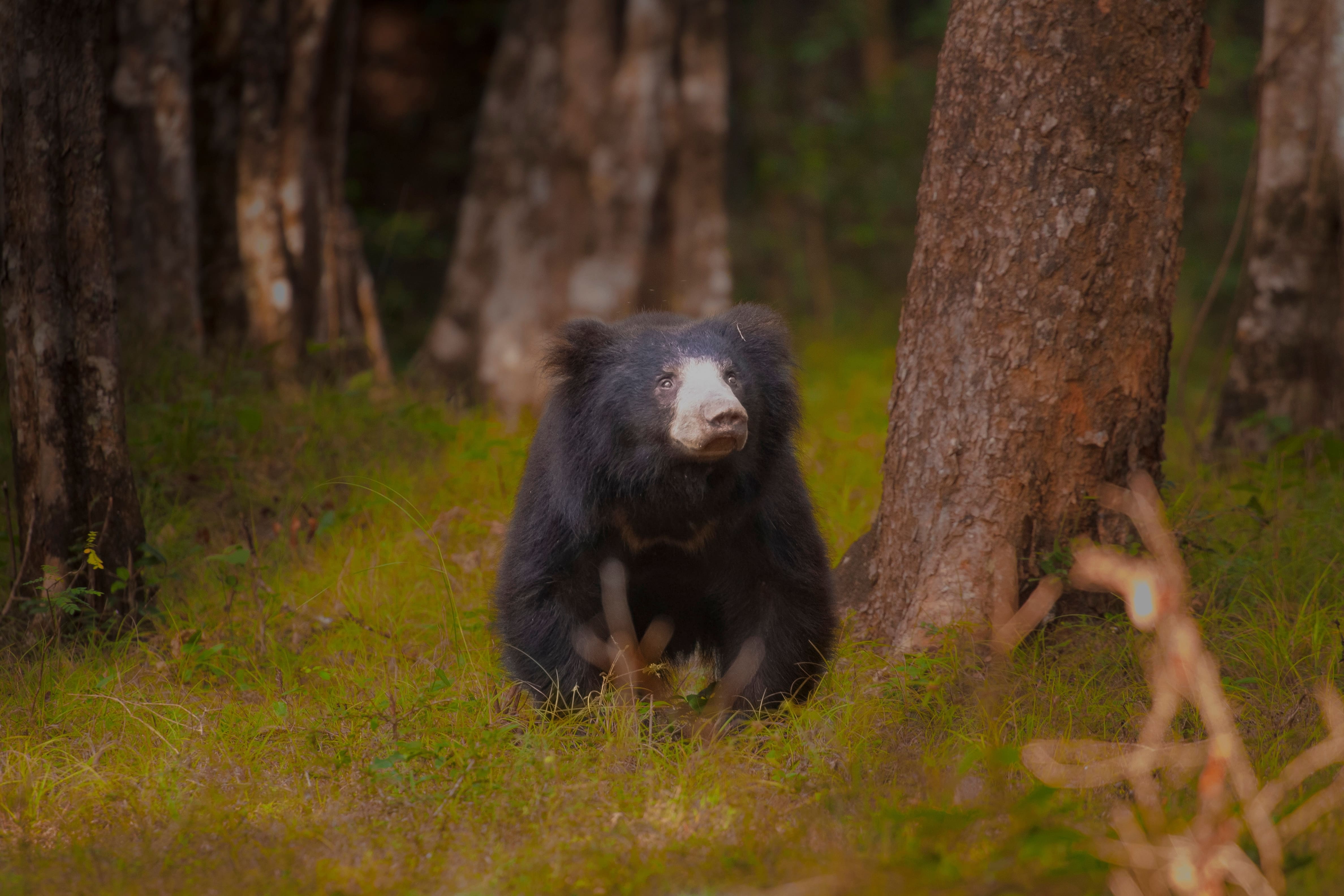
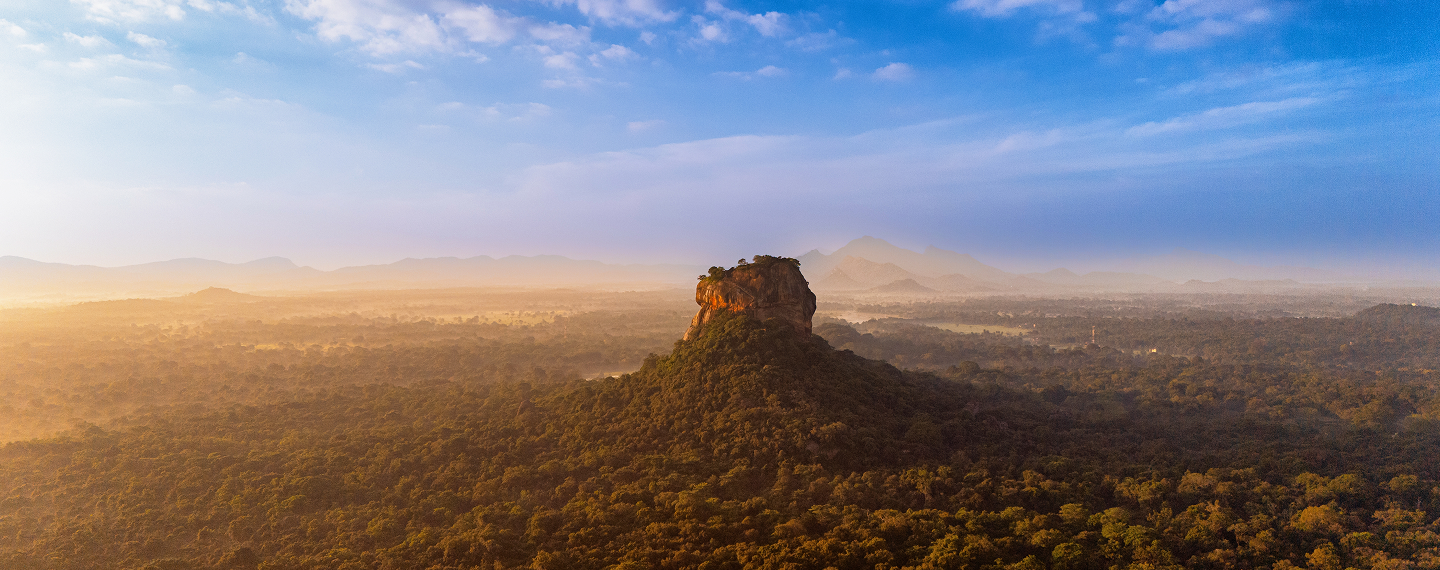
Sri Lanka is one of the finest wildlife destinations in Asia, offering encounters with elephants, leopards, sloth bears, crocodiles, whales and an astonishing diversity of birdlife – all within the compact geography of a small island. The national parks and nature reserves of Sri Lanka protect vast areas of dry zone scrub forest, coastal wetlands and montane jungle, each with its own distinct ecosystem and resident wildlife. Game viewing here is conducted by experienced naturalist guides in open-topped jeeps, and the density and accessibility of wildlife mean that encounters are not just possible but remarkably frequent.
1
Wilpattu National Park
About the Location
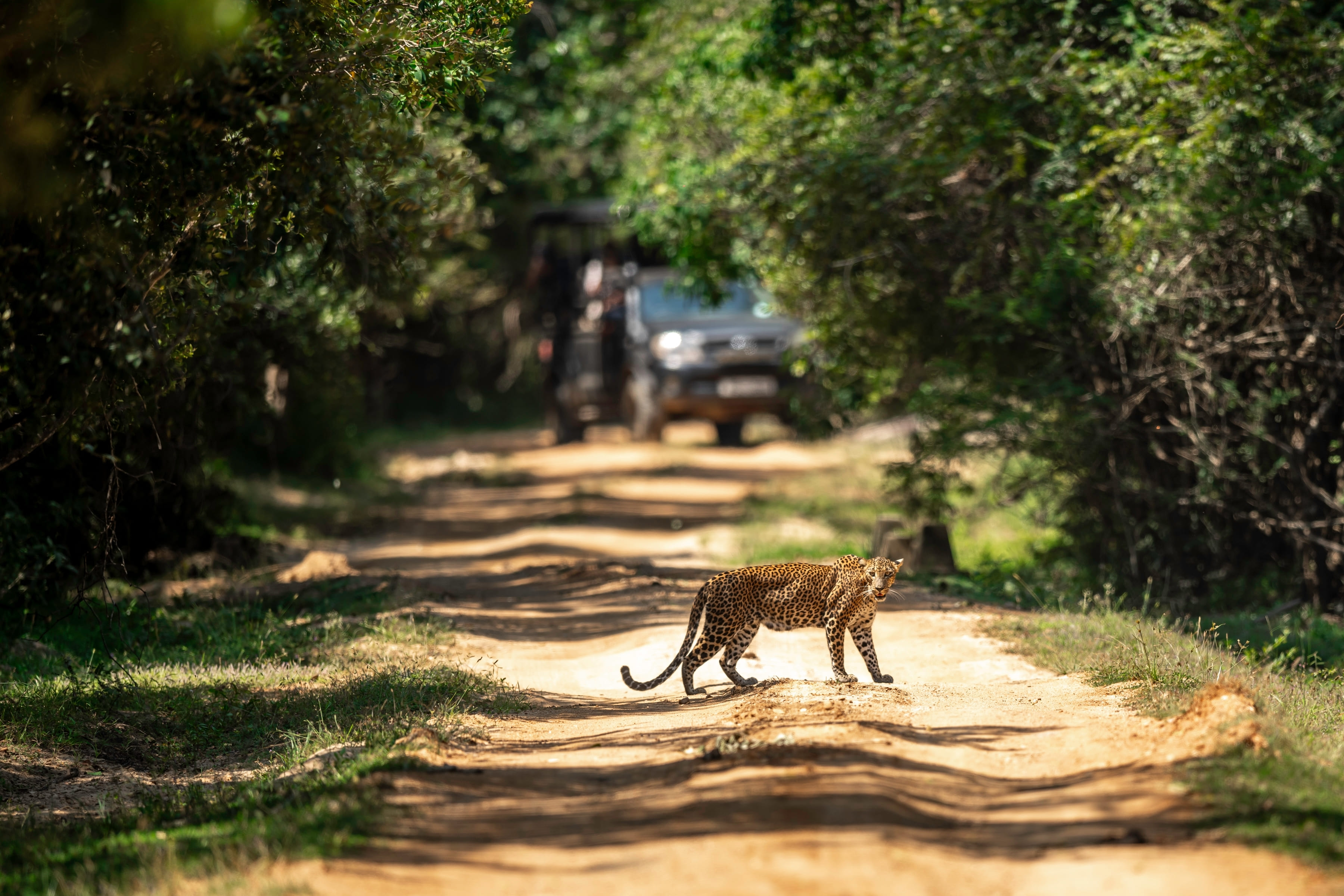
Wilpattu covers 1,317 square kilometres of dry evergreen forest in the northwest of the island and is largely untouched by the tourism that has developed in parks further south. The park is famous for its natural lakes, which attract wildlife, including the highest density of Sri Lankan leopards, as well as sloth bears, elephants, spotted deer and a wide variety of birdlife. Wilpattu has a primeval, undisturbed quality that sets it apart from other parks, and the absence of large crowds means that game drives feel exploratory.
2
Udawalawe National Park
About the Location
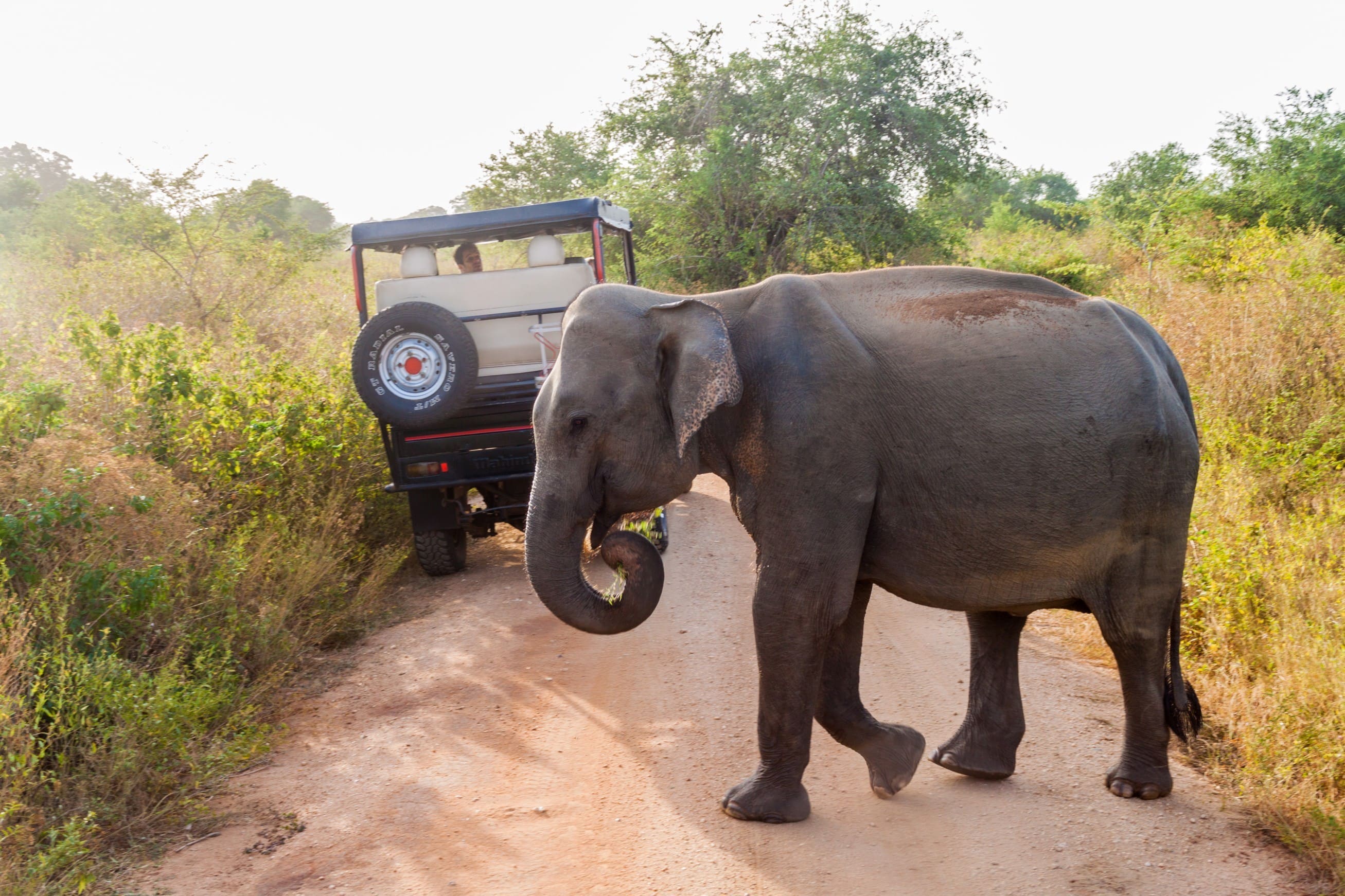
Udawalawe National Park is one of the best places in Asia to observe wild Asian elephants in their natural habitat, with a resident population of a hundred individuals that can be seen at close range. The park's landscape of scrub jungle, open grasslands and the wide Udawalawe Reservoir make wildlife spotting productive, and game drives consistently deliver sightings of elephant herds, water buffalo, crocodiles, Sri Lankan junglefowl and a wide variety of raptors and waterbirds. The Elephant Transit Home adjacent to the park cares for orphaned elephant calves that are released back into the wild, and visitors can observe feeding sessions at set times each day.
3
Minneriya National Park
About the Location
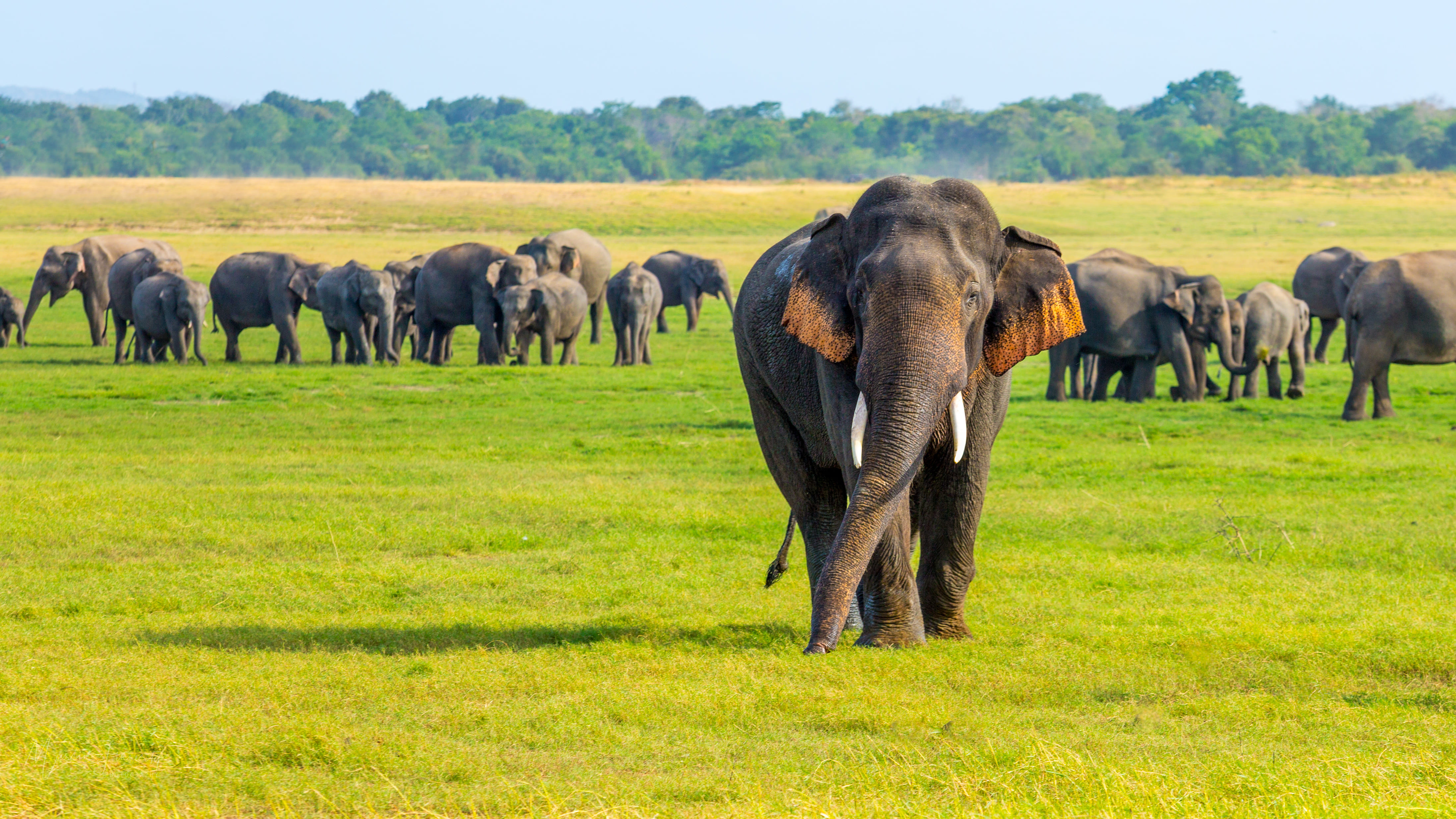
Minneriya National Park is the site of one of the greatest wildlife spectacles in Asia, the annual Gathering, during which hundreds of wild Asian elephants converge on the shores of the Minneriya Tank between July and October as the dry season draws down the water levels. During peak season, it is not unusual to see four or five hundred elephants gathered on the vast grassy plains around the reservoir, a sight of staggering scale and power. The park is also rich in birdlife, with painted storks, pelicans, cormorants and kingfishers crowding the water's edge alongside the elephants.
4
Yala National Park
About the Location
Yala is the island's most famous wildlife destination, covering over 97,000 hectares of varied terrain including open grassland, dense jungle, wetlands, coastal lagoons and rocky outcrops. The frequency of leopard encounters here exceeds any other destination, making it the single best place on earth to observe this big cat. In addition to leopards, Yala supports large populations of elephants, sloth bears, crocodiles, spotted deer and a stunning array of birdlife, including flamingos, painted storks and sea eagles. The park's landscape and wildlife diversity make a Yala safari the defining highlight of Sri Lankan journeys.

5
Sinharaja Rainforest
About the Location
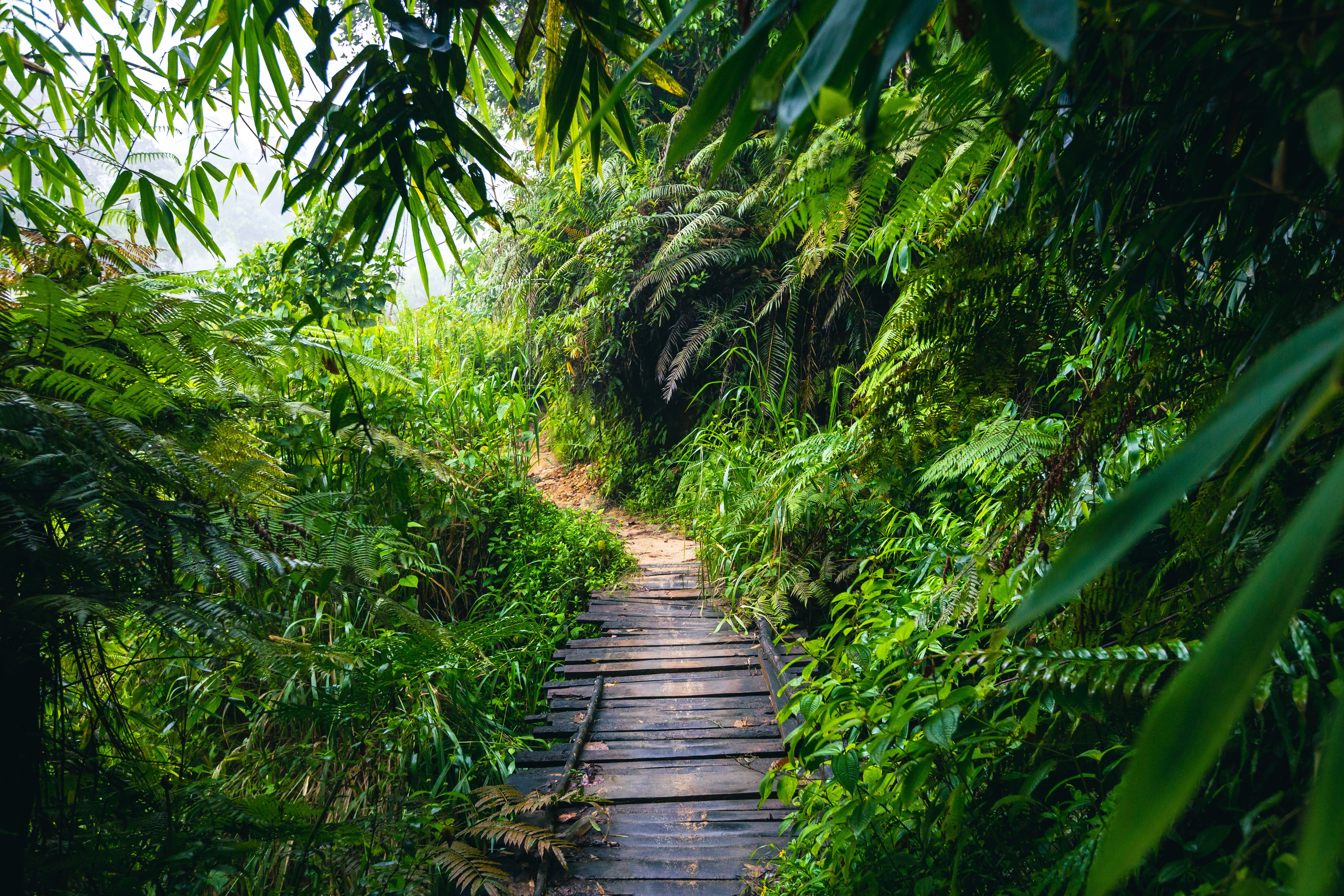
Sinharaja is Sri Lanka's primary tropical rainforest and a UNESCO World Heritage Site, sheltering endemic species found nowhere else on earth. The forest is home to over half of Sri Lanka's endemic bird species, which travel together in mixed-species feeding flocks - a birdwatching phenomenon known as a "bird wave" that is one of the most thrilling wildlife experiences on the island. Walking through Sinharaja with a knowledgeable naturalist guide reveals a world of rare purple-faced langurs, endemic lizards and geckos, giant squirrels and tree ferns beneath a dense, green cathedral canopy.