WhatsApp
Sri Lanka’s Cultural Triangle is home to some of the most astonishing archaeological monuments in Asia – a landscape scattered with the remains of kingdoms that flourished thousands of years before the modern world. Massive dagobas, rock fortresses, cave temples and royal palace complexes rise from the dry plains of the north-central province, bearing witness to a civilisation of sophistication and ambition. These ancient citadels are not merely ruins; they are living places of worship, pilgrimage and national pride, vibrant with the rituals and reverence of the present as much as with the echoes of the past.

1
Polonnaruwa
About the Location
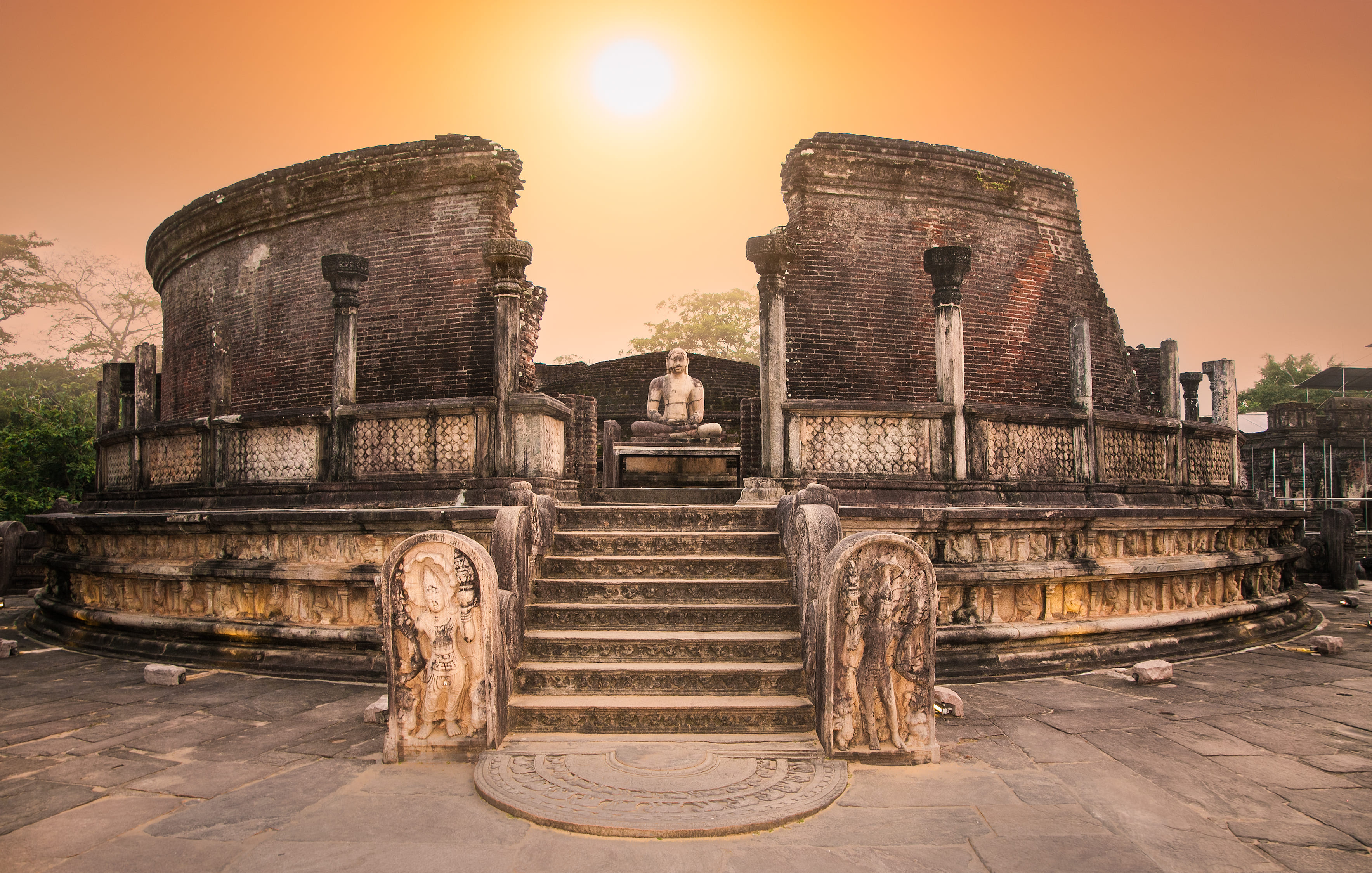
Polonnaruwa was the medieval capital of Sri Lanka from the 11th to the 13th century, and its well-preserved ruins offer one of the most ancient city experiences in Asia. The Royal Palace complex, the Gal Vihara rock temple with its carved Buddha figures, the Vatadage circular relic house and the Quadrangle of royal monuments can all be explored on foot or by bicycle along a well-marked heritage trail. Polonnaruwa is a UNESCO World Heritage Site and one of the most rewarding historical destinations in all of Sri Lanka.
2
Sigiriya
About the Location
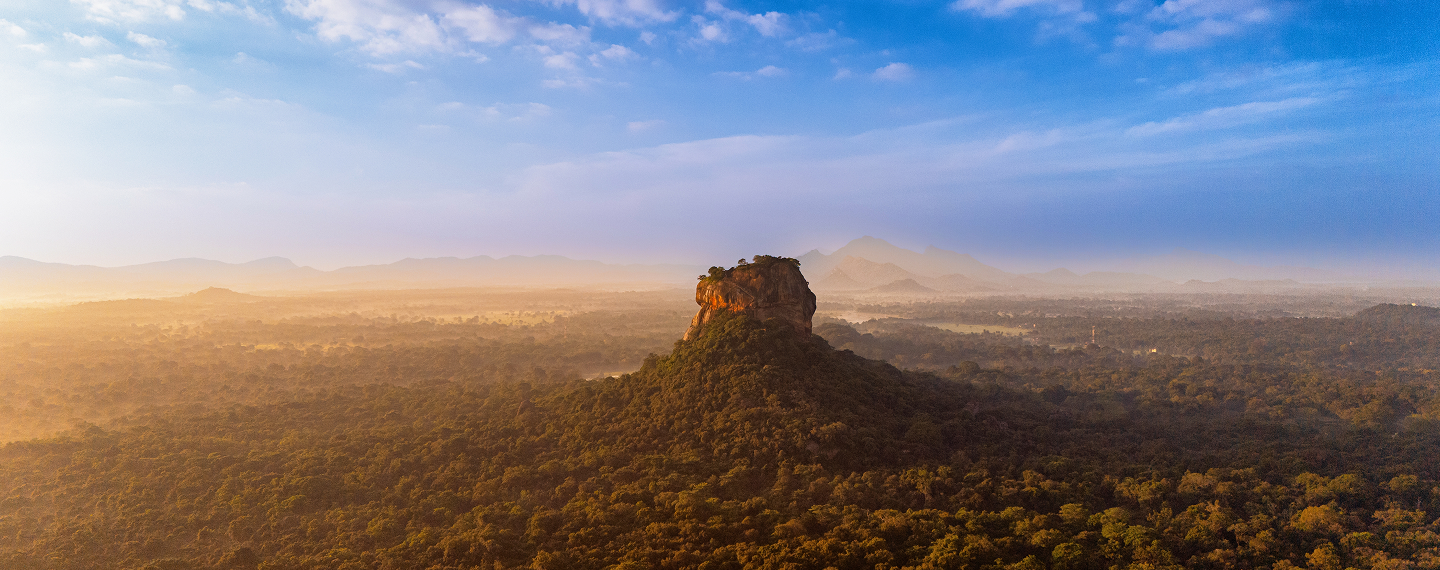
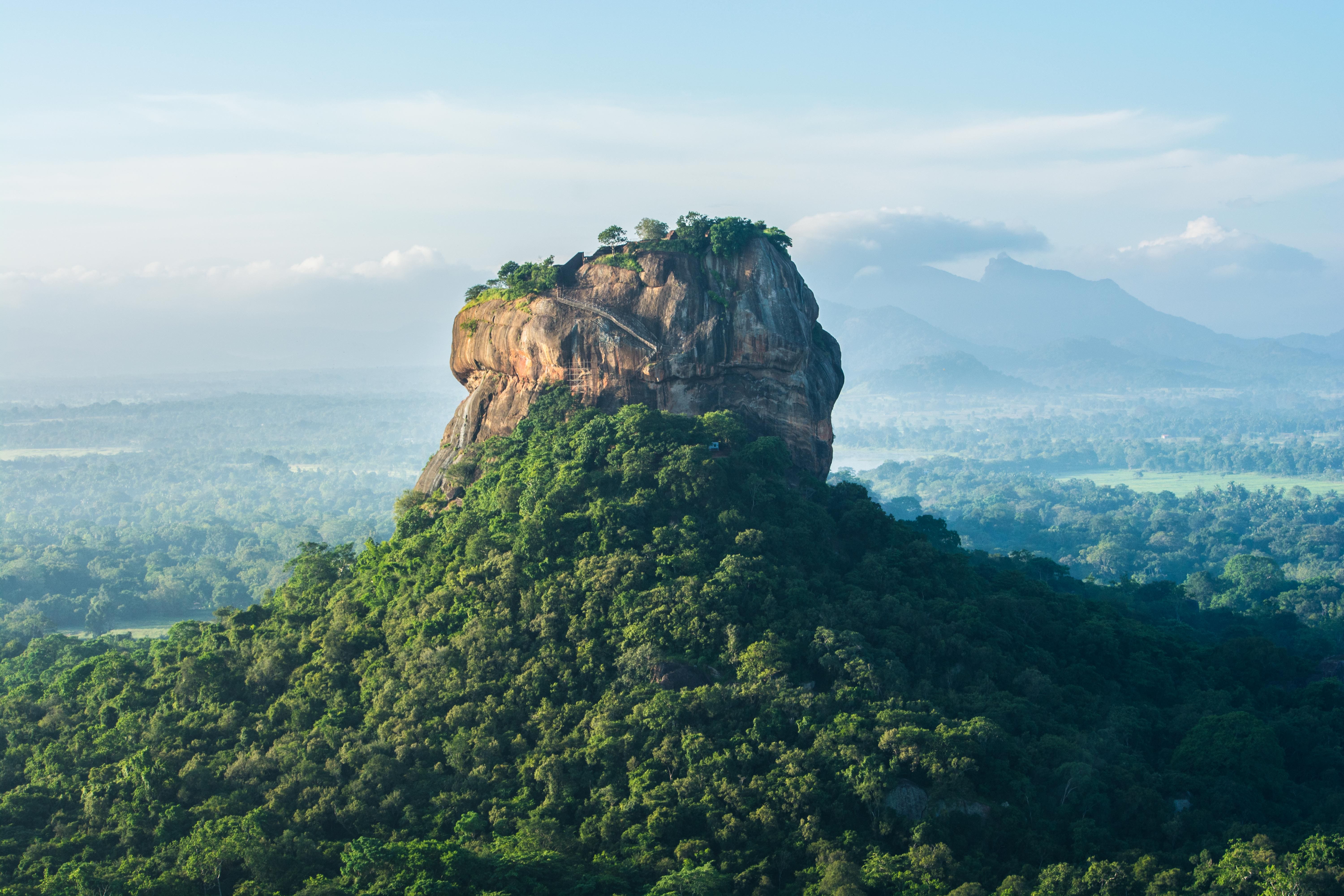
Sigiriya, the ancient rock fortress and palace complex, is one of the most spectacular sights in Asia. Built in the 5th century, the rock is adorned with frescoes of celestial maidens painted on its western face, a mirror wall inscribed with ancient graffiti, and the Lion Gate at the base of the final ascent. The summit reveals the foundations of a palace and offers 360-degree views across the scrub jungles of the Cultural Triangle. Sigiriya is a UNESCO World Heritage Site and a memorable human achievement that leaves every visitor in awe.
3
Dambulla Cave Temple
About the Location
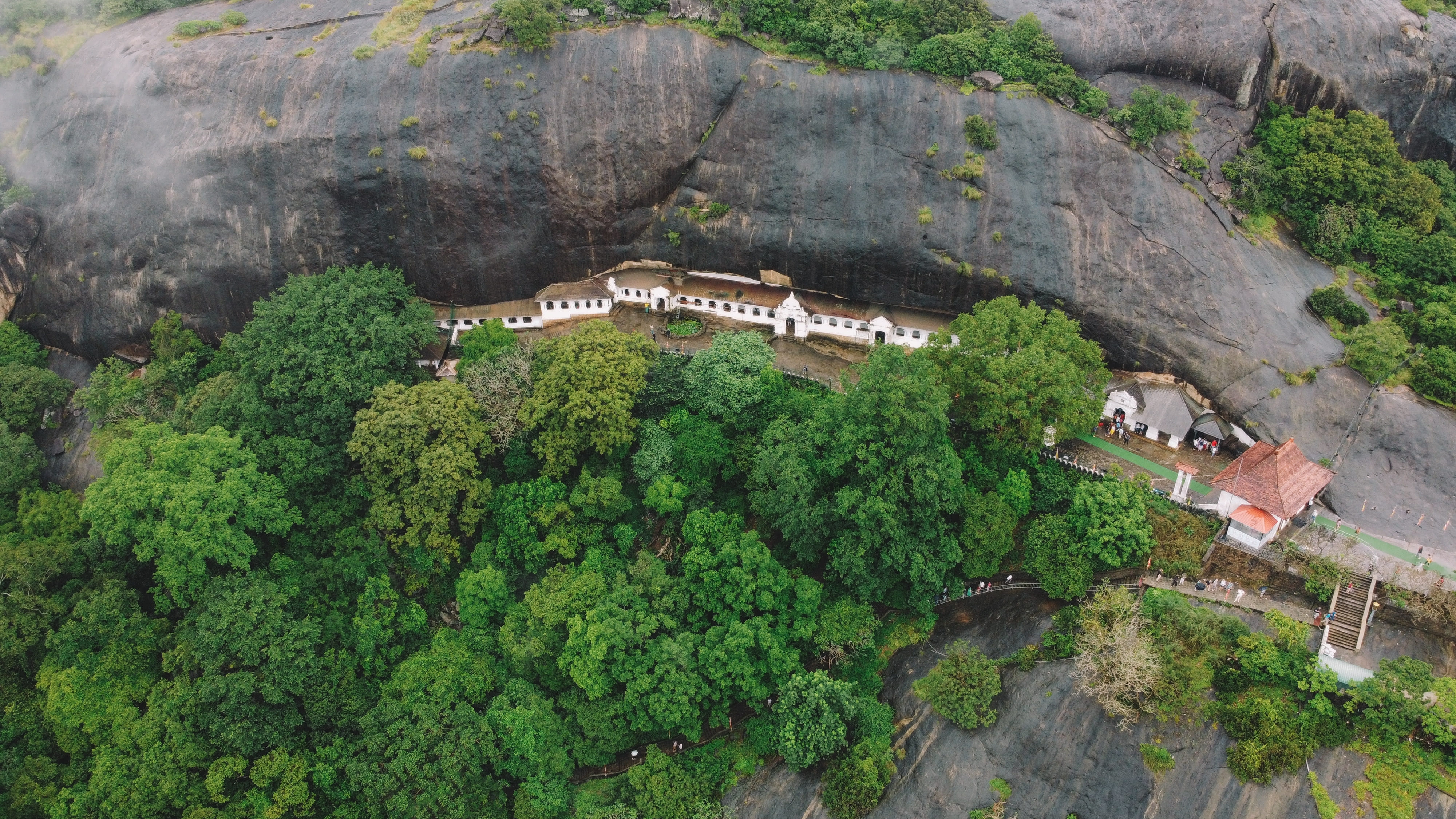
The Dambulla Cave Temple is one of Sri Lanka's most sacred and visually extraordinary Buddhist pilgrimage sites, comprising five massive cave sanctuaries carved into a granite outcrop above the central plains. Inside the caves, more than 150 statues of the Buddha and other deities line the walls and floors, while the ceilings are entirely covered with murals depicting scenes from the life of the Buddha and key moments in Sri Lankan history - the largest painted cave complex in Asia.
4
Yapahuwa
About the Location
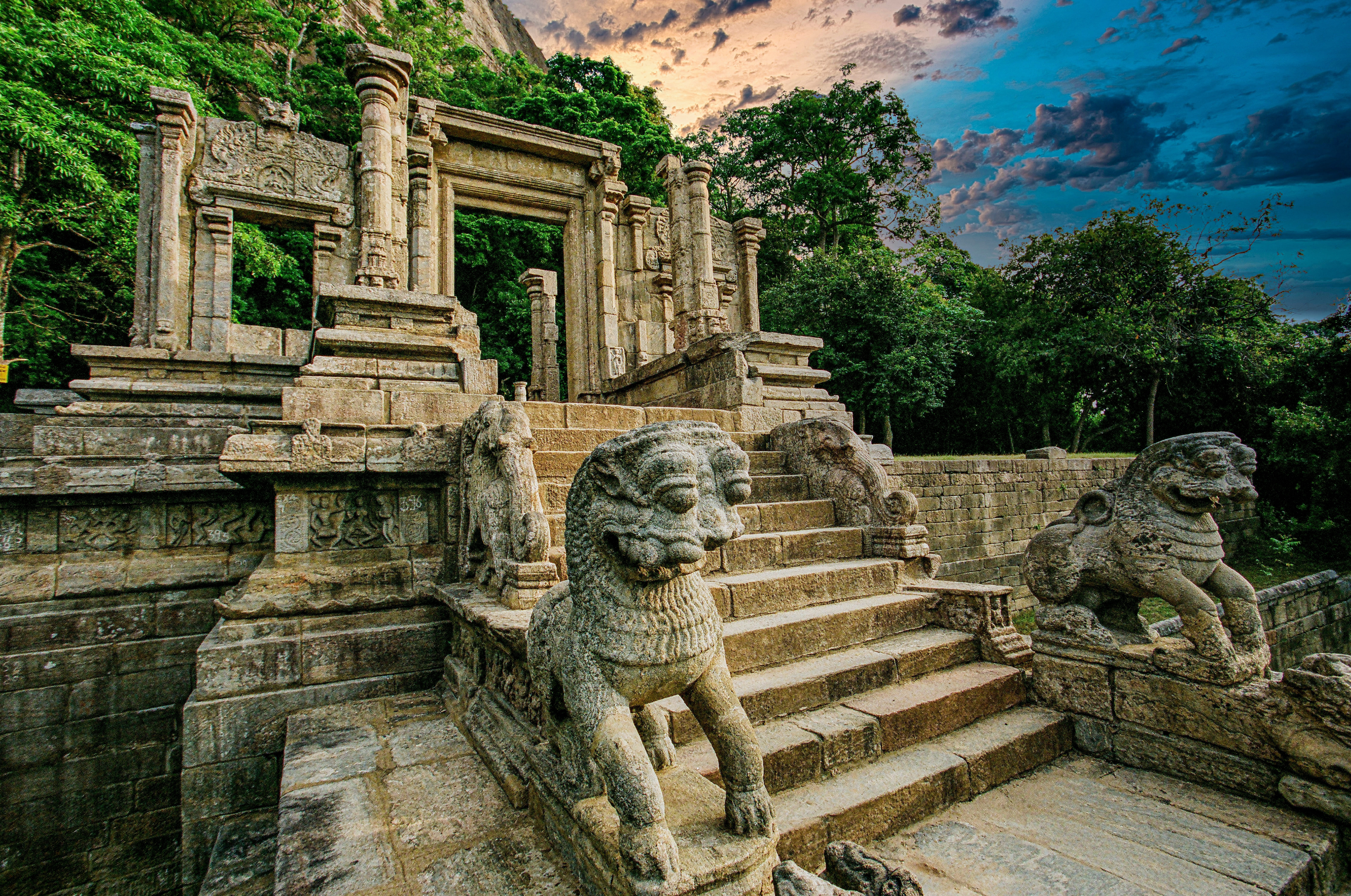
Yapahuwa is a towering granite rock rising sheer from the north-western plains, crowned with the ruins of a 13th-century royal palace that briefly served as the island's capital. The approach to the summit is through an ornate stone stairway flanked by carved stone lions and elaborate decorative panels, considered some of the finest examples of medieval Sinhalese stone craftsmanship in existence. For travellers who want to experience a world-class archaeological site without the crowds of the more famous Cultural Triangle destinations, Yapahuwa is a rewarding discovery.
5
Anuradhapura
About the Location
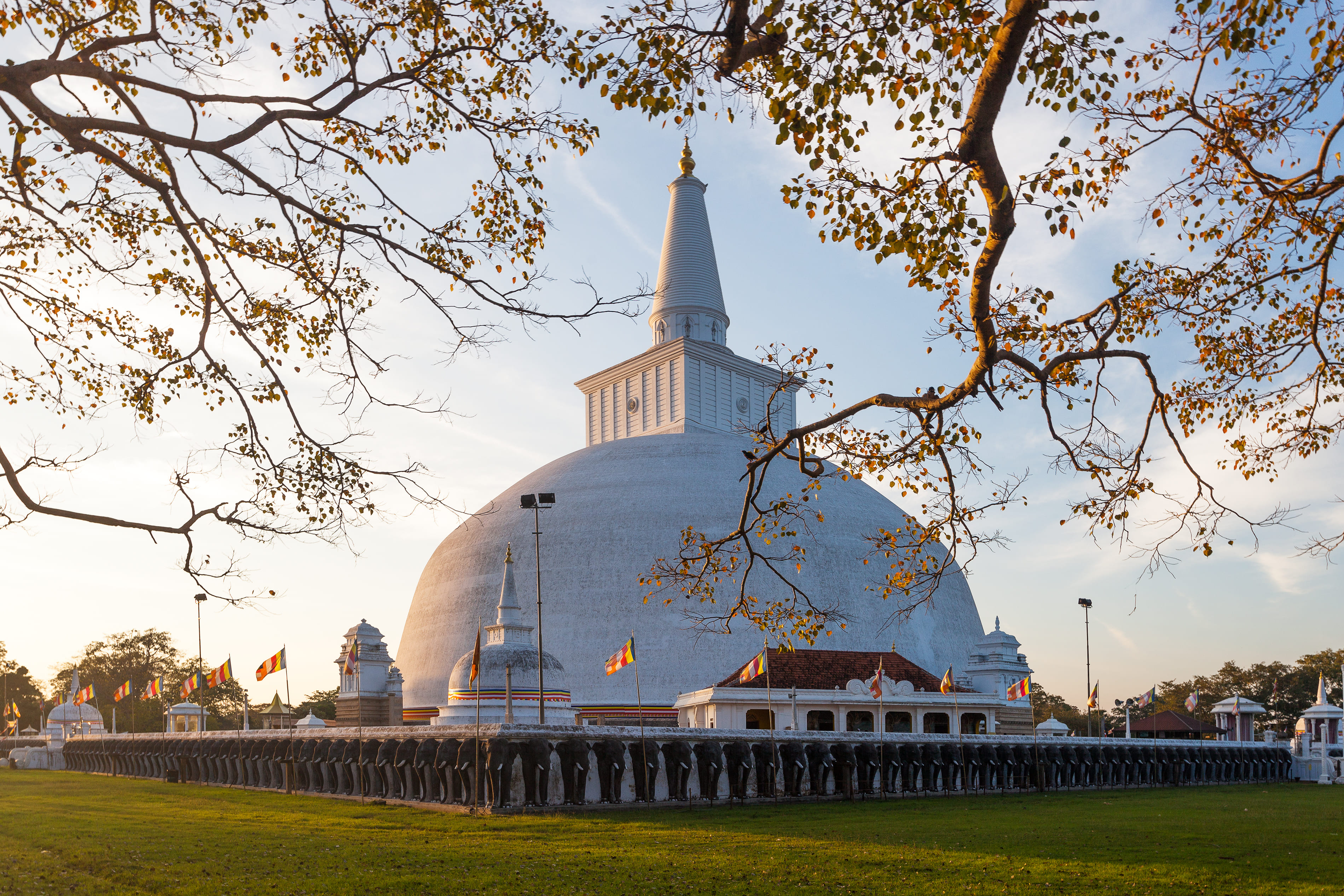
Anuradhapura is one of the oldest continuously inhabited cities and Sri Lanka's most sacred historical site, serving as the capital of the island's first great civilisation for over a millennium. The city is home to the Sri Maha Bodhi, a sacred fig tree grown from a cutting of the original Bodhi Tree under which the Buddha attained enlightenment, making it the oldest historically documented tree still alive today. The vast dagobas of Ruwanweliseya, Jetavanaramaya and Abhayagiri tower above the surrounding parkland, their white-washed domes visible for miles and their scale equalling the great monuments of Egypt.