WhatsApp
An Island of Infinite Journeys - Discover Every Corner of Ceylon
Sri Lanka is one of the most geographically and culturally diverse islands on earth, packing ancient civilisations, highland wilderness, tropical coastlines and sacred pilgrimage sites into a landmass you can traverse in a single day. From the sun-bleached ruins of kingdoms that rose and fell thousands of years ago to the living rhythms of fishing villages and tea-pickers on misty hillsides, every region of the island offers a completely different story. Ceylon Escape Holidays has mapped the island into five distinctive destination categories, each one a world of its own. Whether you are drawn to the sea, the jungle, the mountains, the past or the sacred, your perfect Sri Lankan landscape is waiting to be explored.
1
Bentota
About the Location
Bentota is one of Sri Lanka's most celebrated beach destinations, set at the mouth of the Bentota River along the golden southwest coast. The wide, palm-lined beach is perfect for swimming and sunbathing, while the calm river lagoon offers some of the island's finest water sports, from jet-skiing and windsurfing to mangrove boat safaris. The town also has a long tradition of Ayurvedic spa retreats, making it equally popular with wellness travellers.
2
Arugam Bay
About the Location
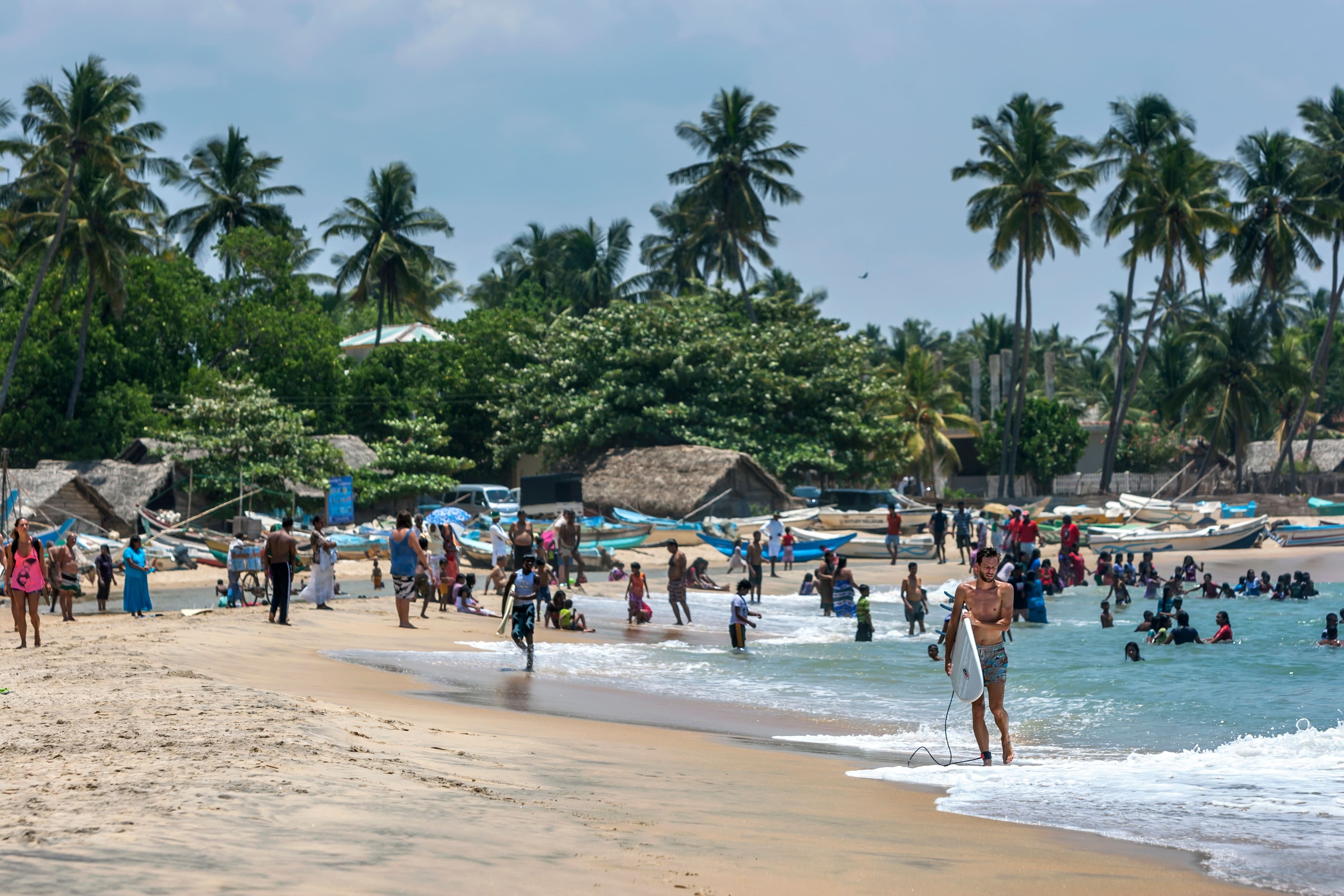
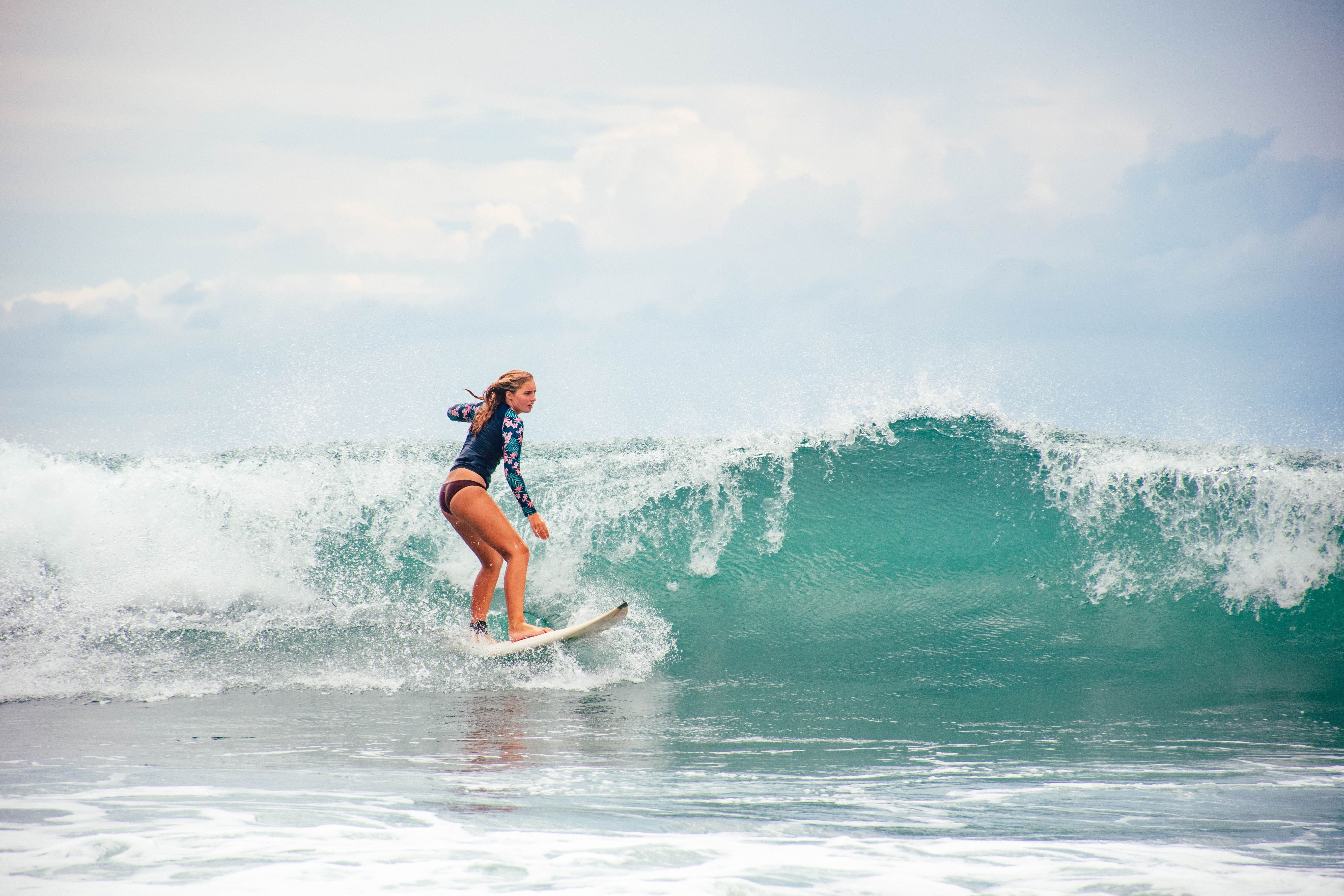
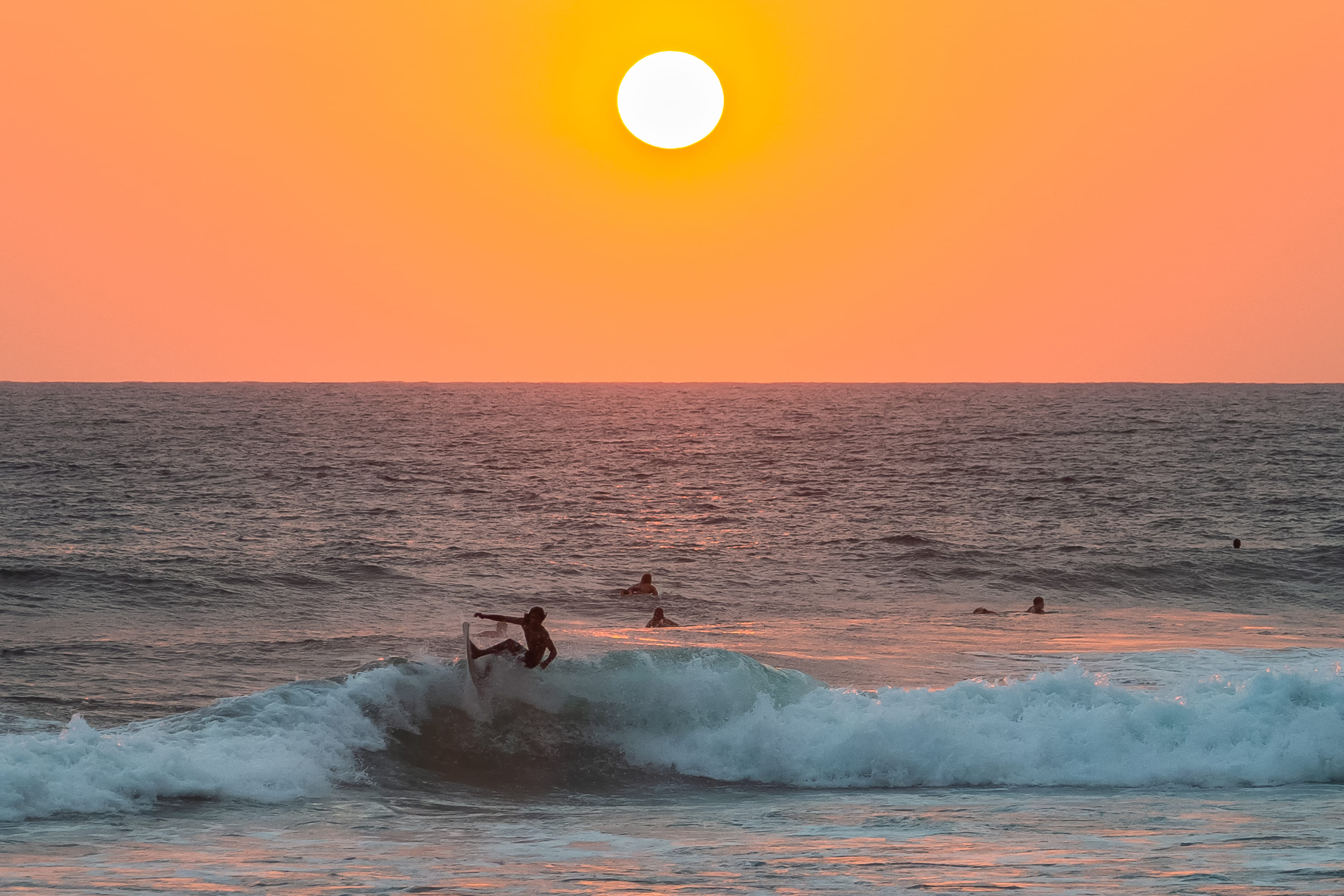
Arugam Bay, nestled on Sri Lanka's wild east coast, is one of the top surfing destinations in Asia. The main point break at Arugam Bay is world-famous, drawing surfers from across the globe between May and October when the swells reach their peak. Beyond the waves, the surrounding area is home to the Kumana National Park, Pottuvil Lagoon and the ancient ruins of Magul Maha Viharaya. The town itself is filled with chilled-out cafes, yoga studios and surf schools, giving it a relaxed, end-of-the-world quality.
3
Negombo
About the Location
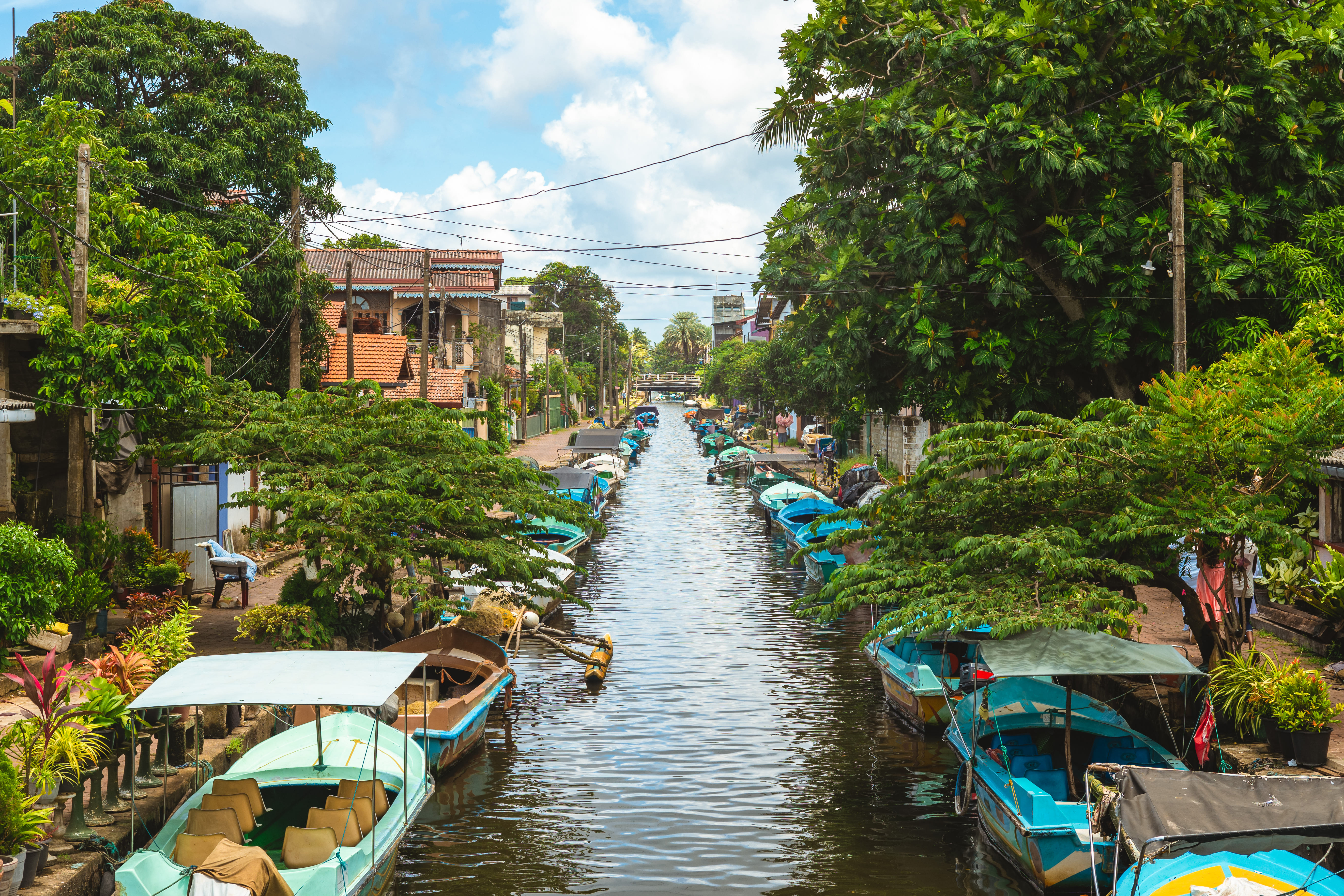
Negombo is a vibrant coastal city just a short drive north of the Bandaranaike International Airport, making it the natural starting and finishing point for many Sri Lanka itineraries. The town has a strong Dutch colonial heritage, visible in its old fort, canal network and the St. Mary's Church that dominates the seafront. Its broad beach is animated by fishing boats and the smell of fresh seafood, and the Negombo fish market is one of the most photogenic in the country.
4
Pasikuda
About the Location
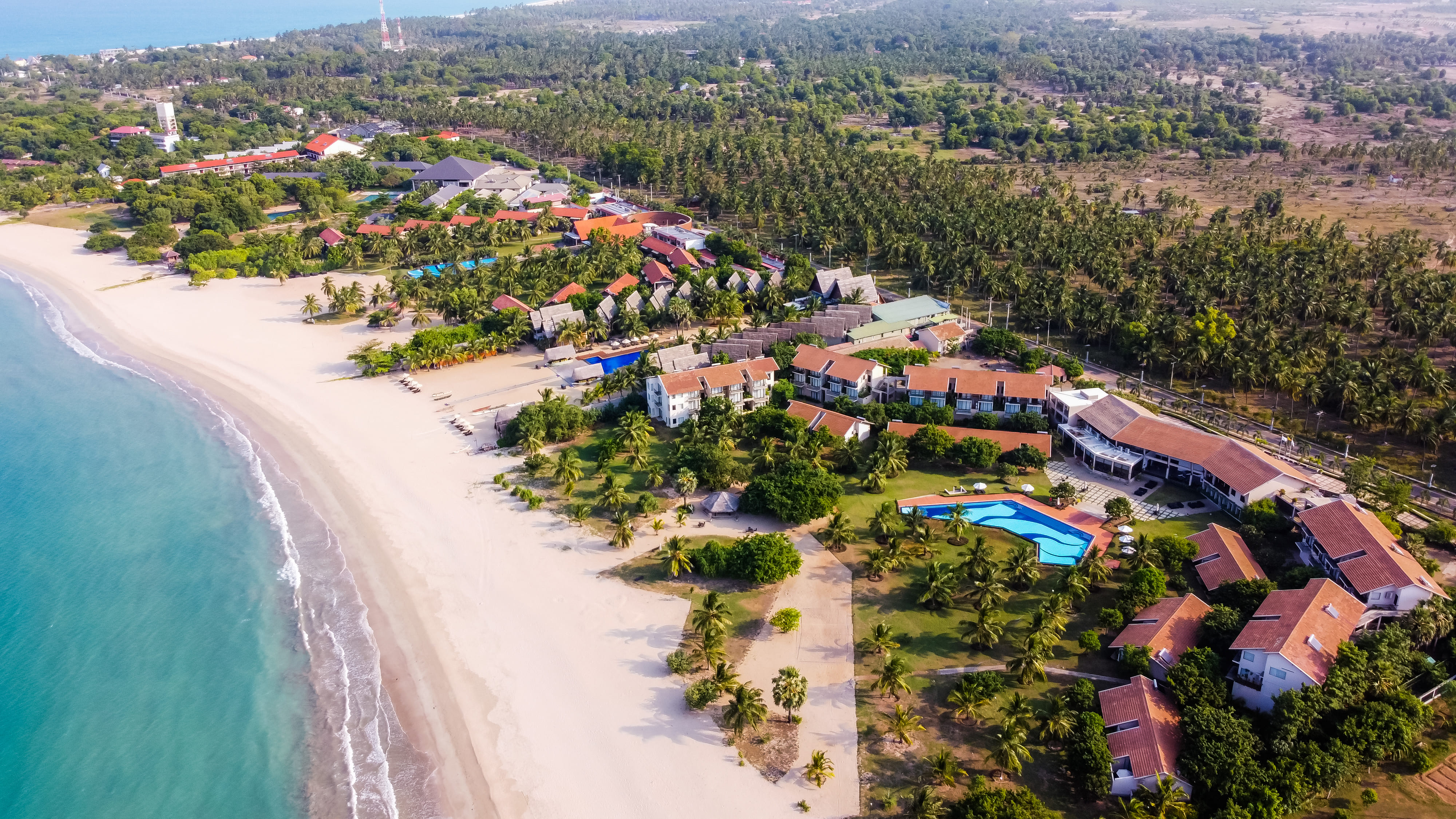
Pasikuda is home to one of Sri Lanka's most extraordinary natural features - a vast, shallow bay of startlingly calm, crystal-clear turquoise water that stretches for hundreds of metres into the Indian Ocean. Located on the east coast, Pasikuda is famous for its gentle sea, which makes it one of the safest swimming beaches on the island and ideal for snorkelling and paddleboarding in calm conditions. The beach is framed by white sand and coconut palms, and the area is home to several luxury boutique resorts.
5
Mirissa
About the Location
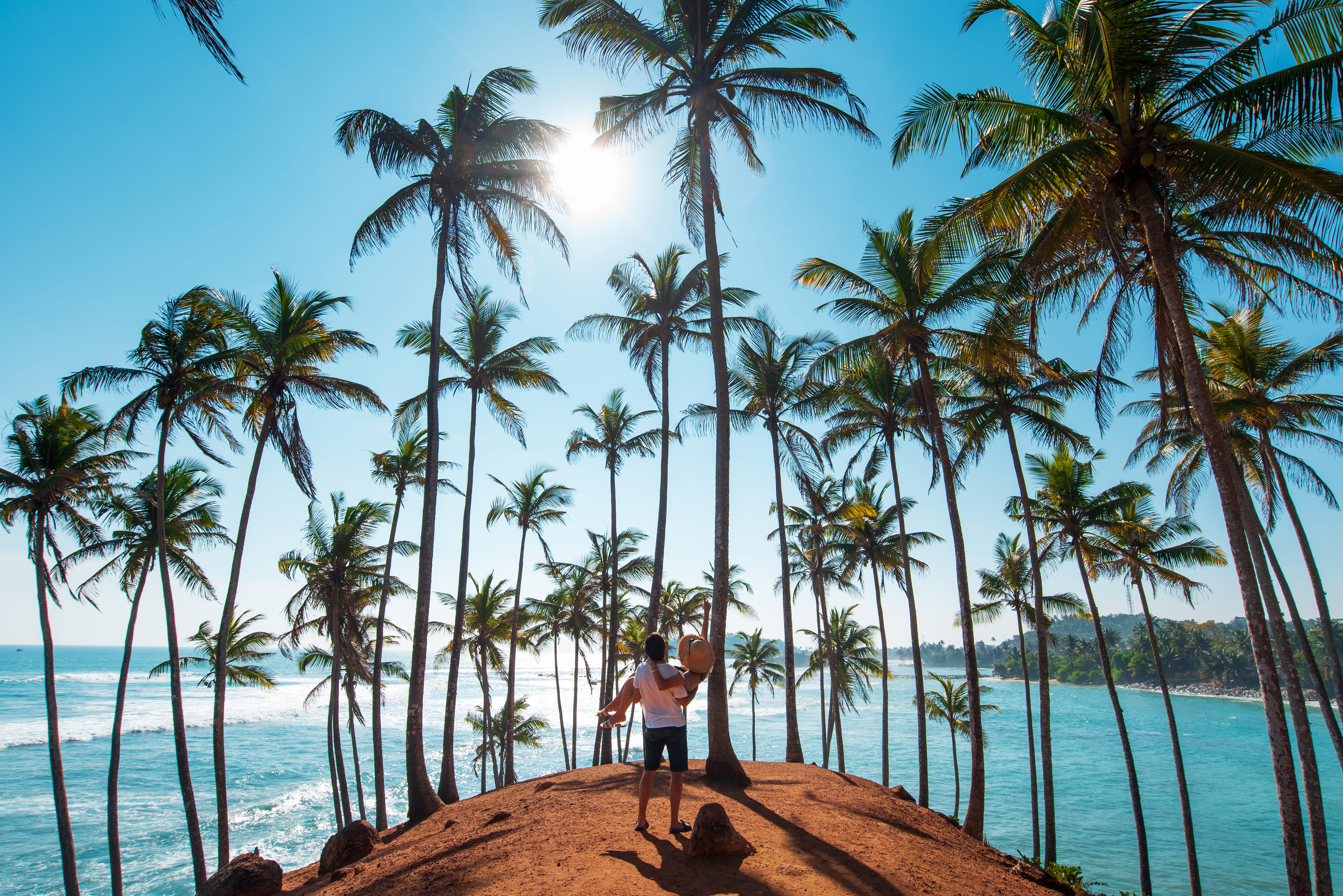
Mirissa is a small, crescent-shaped bay on Sri Lanka's south coast that has evolved from a quiet fishing village into one of the island's most beloved beach destinations. It is internationally renowned as one of the best places in the world to watch blue whales and sperm whales in their natural habitat, with boat excursions running from November to April. The beach itself is a wide, gentle arc of golden sand ideal for swimming, and the town is dotted with excellent restaurants, beach bars and surf spots.
6
Kalpitiya
About the Location
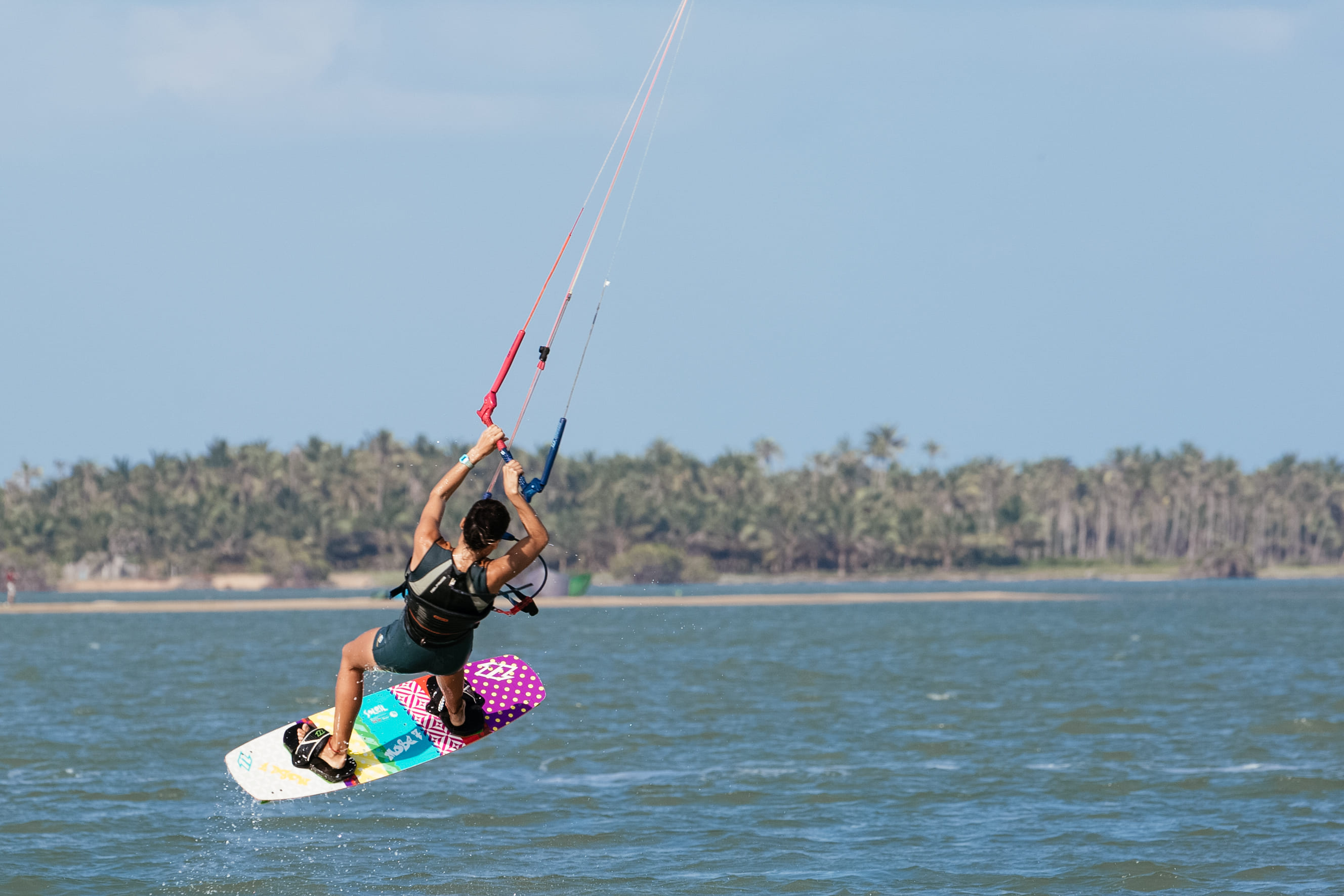
Kalpitiya is a remote and magical peninsula on Sri Lanka's northwest coast, separated from the mainland by the large Puttalam Lagoon and fringed by a chain of small islands and sandbars. The calm, shallow lagoon is one of Asia's finest kitesurfing and windsurfing locations, attracting enthusiasts from around the world between May and October. Kalpitiya is also famous for its dolphin and spinner whale pods, which can be seen in large numbers on early morning boat excursions from the beach.
7
Tangalle
About the Location
Tangalle is a stretch of rugged coastline in the deep south of Sri Lanka, characterised by rocky headlands, hidden coves and wide-open beaches backed by thick jungle. Unlike the more developed resort beaches to the north, Tangalle retains a wild, unhurried quality that appeals to travellers seeking seclusion and natural beauty. The area is home to Rekawa Beach, one of the most important sea turtle nesting sites in Sri Lanka, where you can witness nesting green and loggerhead turtles on guided night walks.
8
Nilaveli
About the Location
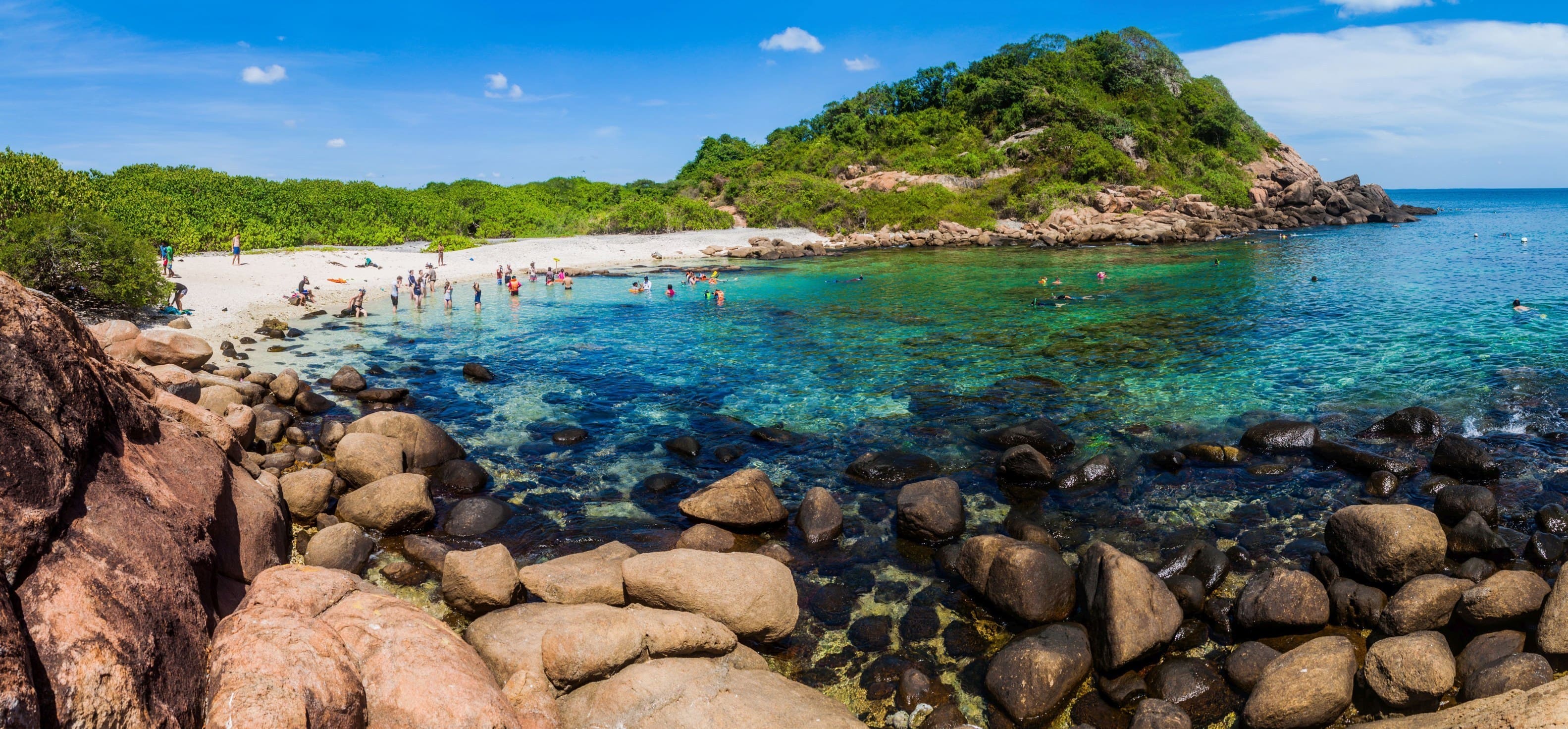
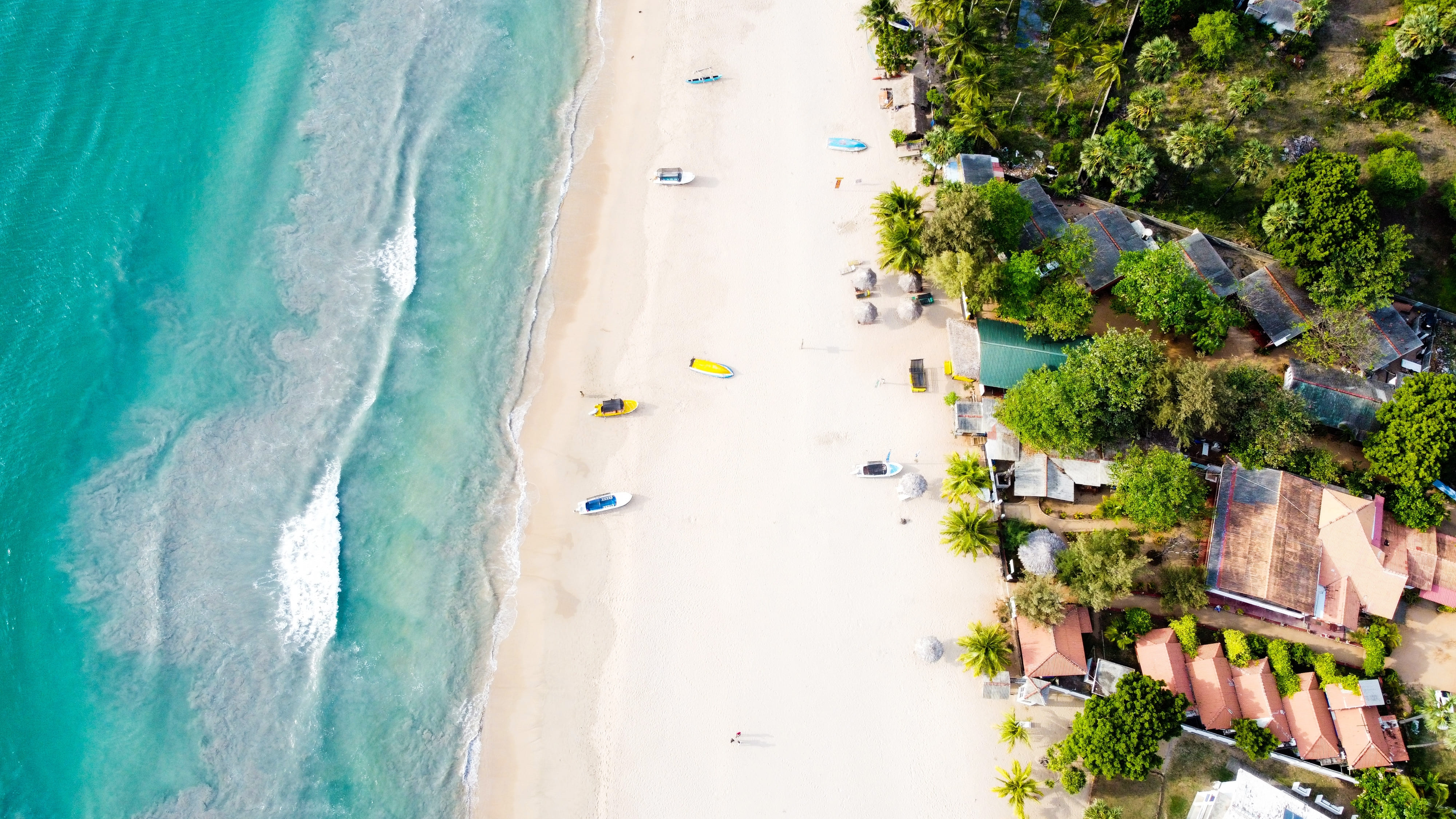
Nilaveli is a beautiful coastline, a short drive from Trincomalee, offering the most pristine waters on the entire island. The beach is long and uncrowded, flanked by casuarina trees and backed by the calm, glittering waters of the Bay of Bengal. Just offshore lies Pigeon Island National Park, a protected marine sanctuary with spectacular coral reefs, black-tipped reef sharks and a dazzling array of tropical fish. Nilaveli is best visited between May and September, when the east coast experiences its dry season and the sea is at its calmest.
9
Hikkaduwa
About the Location
Hikkaduwa is one of Sri Lanka's most lively beach resort towns, set on the southwest coast just north of Galle. The town is famous for its vibrant coral sanctuary, where sea turtles feed and colourful tropical fish dart through the shallow reef, visible by snorkelling or glass-bottomed boat. Hikkaduwa also has a well-developed surf scene, with consistent breaks that attract both beginners and intermediate surfers throughout the southwest monsoon season. The main street is lined with surf shops, seafood restaurants, dive centres and guesthouses, giving the town a cosmopolitan energy.
10
Trincomalee
About the Location
Trincomalee is one of Asia's finest natural deep-water harbours, located on the northeast coast of Sri Lanka. The city is dominated by the Koneswaram Hindu temple, offering panoramic views across the bay. The coast is home to the beaches of Nilaveli and Uppuveli, the coral-rich Pigeon Island and the warm-water whale-watching grounds that attract visitors from April to September. Trincomalee is also home to the Kanniya Hot Springs, the historic Fort Frederick and the sacred Shankari Devi Temple, making it more culturally rich.
11
Polonnaruwa
About the Location
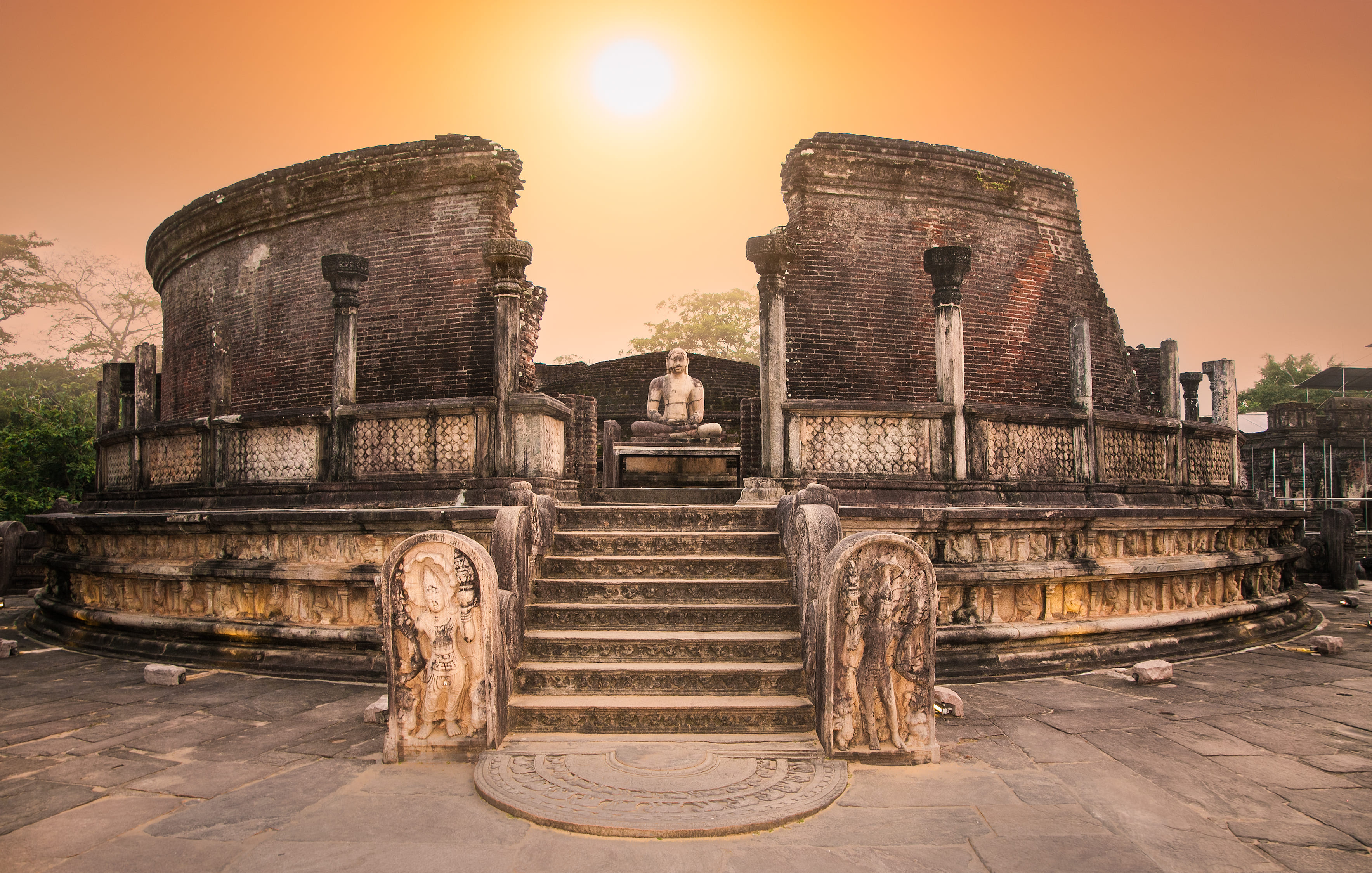
Polonnaruwa was the medieval capital of Sri Lanka from the 11th to the 13th century, and its well-preserved ruins offer one of the most ancient city experiences in Asia. The Royal Palace complex, the Gal Vihara rock temple with its carved Buddha figures, the Vatadage circular relic house and the Quadrangle of royal monuments can all be explored on foot or by bicycle along a well-marked heritage trail. Polonnaruwa is a UNESCO World Heritage Site and one of the most rewarding historical destinations in all of Sri Lanka.
12
Sigiriya
About the Location
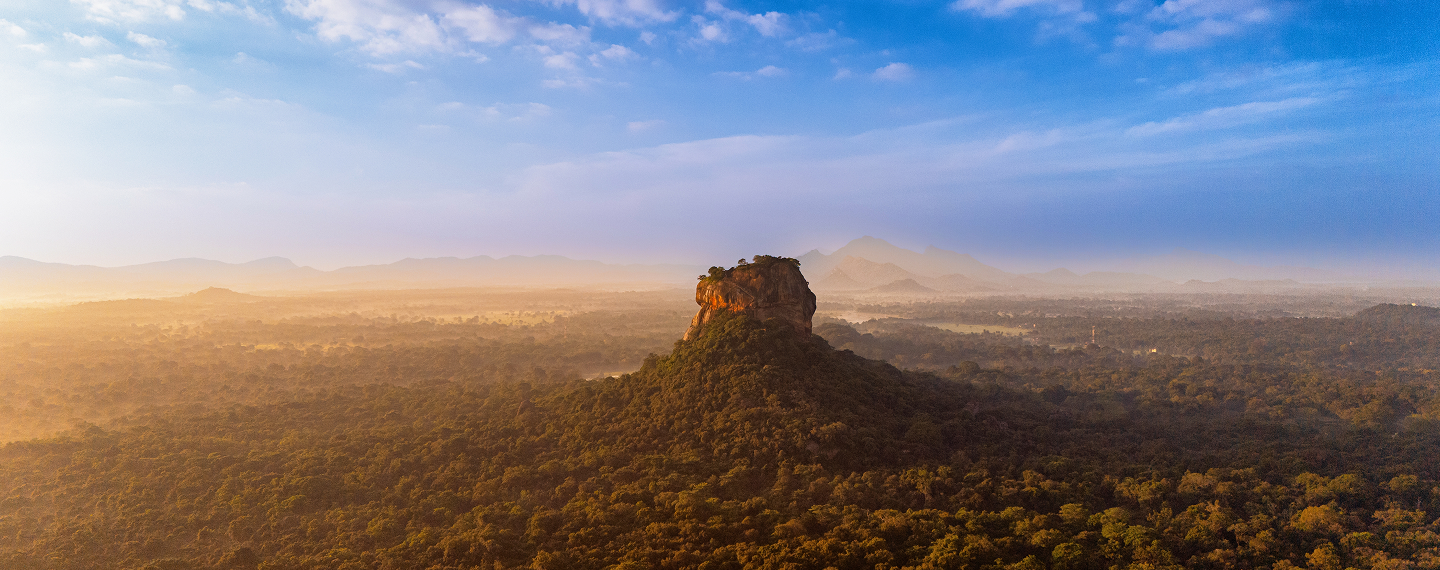
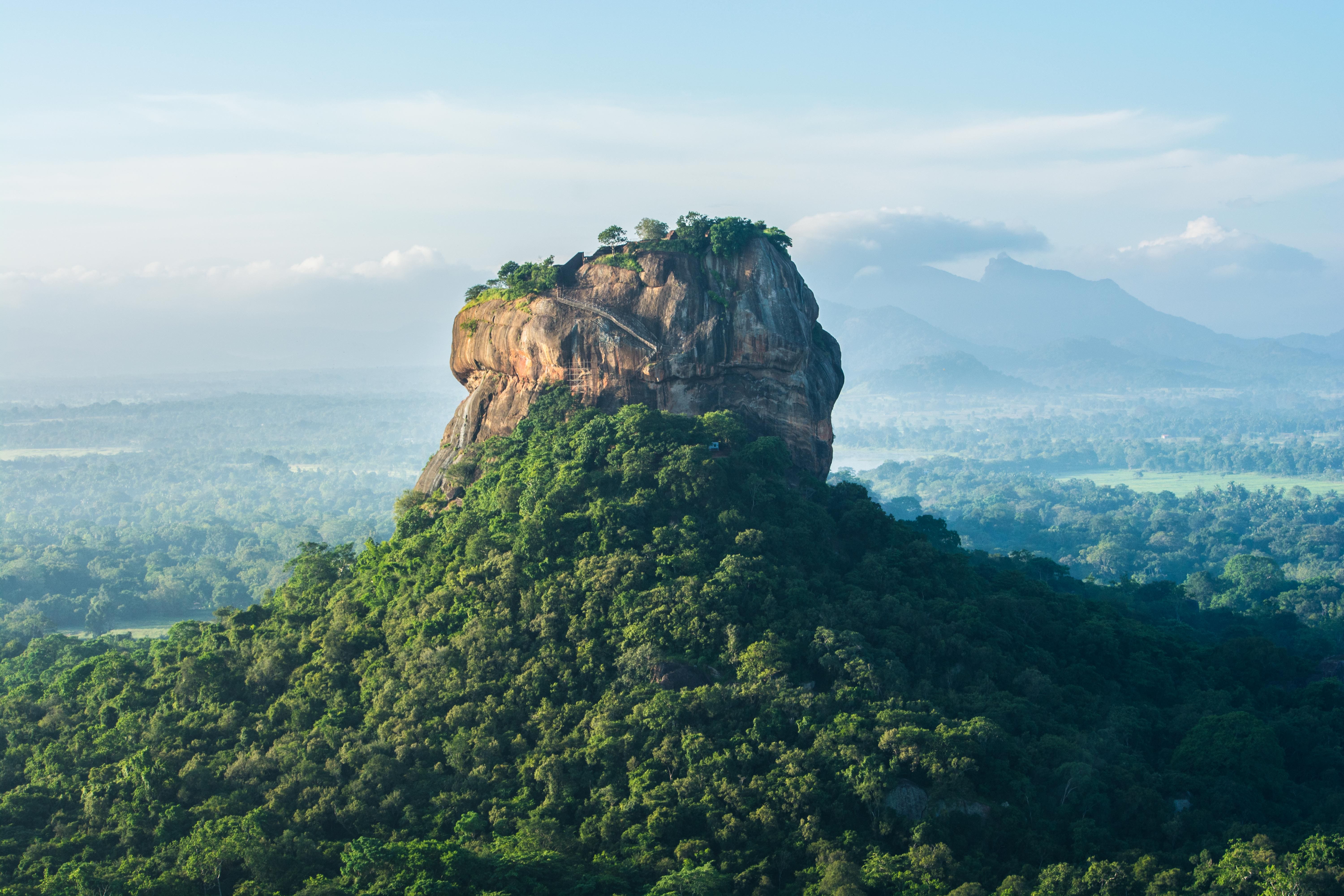
Sigiriya, the ancient rock fortress and palace complex, is one of the most spectacular sights in Asia. Built in the 5th century, the rock is adorned with frescoes of celestial maidens painted on its western face, a mirror wall inscribed with ancient graffiti, and the Lion Gate at the base of the final ascent. The summit reveals the foundations of a palace and offers 360-degree views across the scrub jungles of the Cultural Triangle. Sigiriya is a UNESCO World Heritage Site and a memorable human achievement that leaves every visitor in awe.
13
Dambulla Cave Temple
About the Location
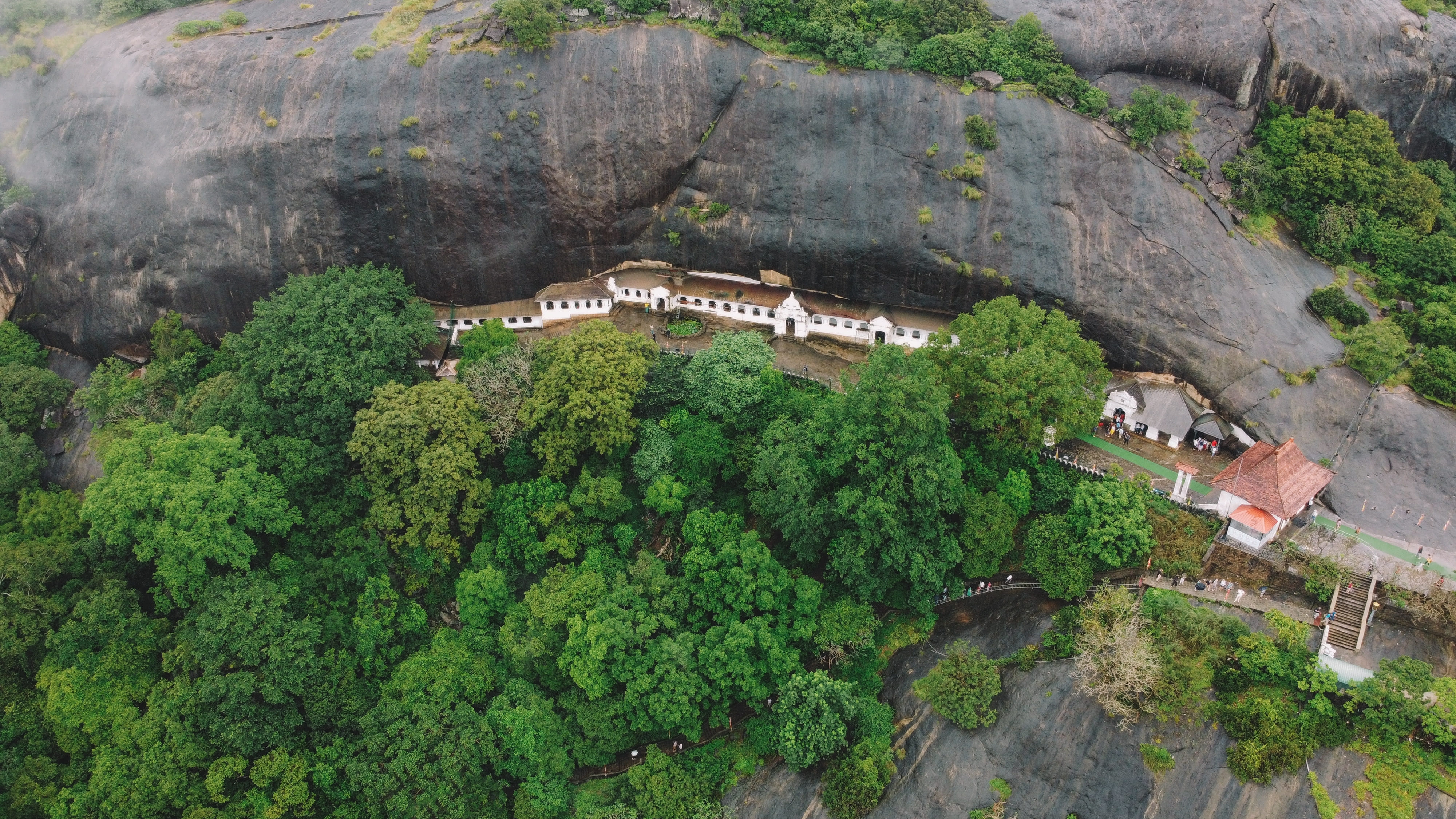
The Dambulla Cave Temple is one of Sri Lanka's most sacred and visually extraordinary Buddhist pilgrimage sites, comprising five massive cave sanctuaries carved into a granite outcrop above the central plains. Inside the caves, more than 150 statues of the Buddha and other deities line the walls and floors, while the ceilings are entirely covered with murals depicting scenes from the life of the Buddha and key moments in Sri Lankan history - the largest painted cave complex in Asia.
14
Yapahuwa
About the Location
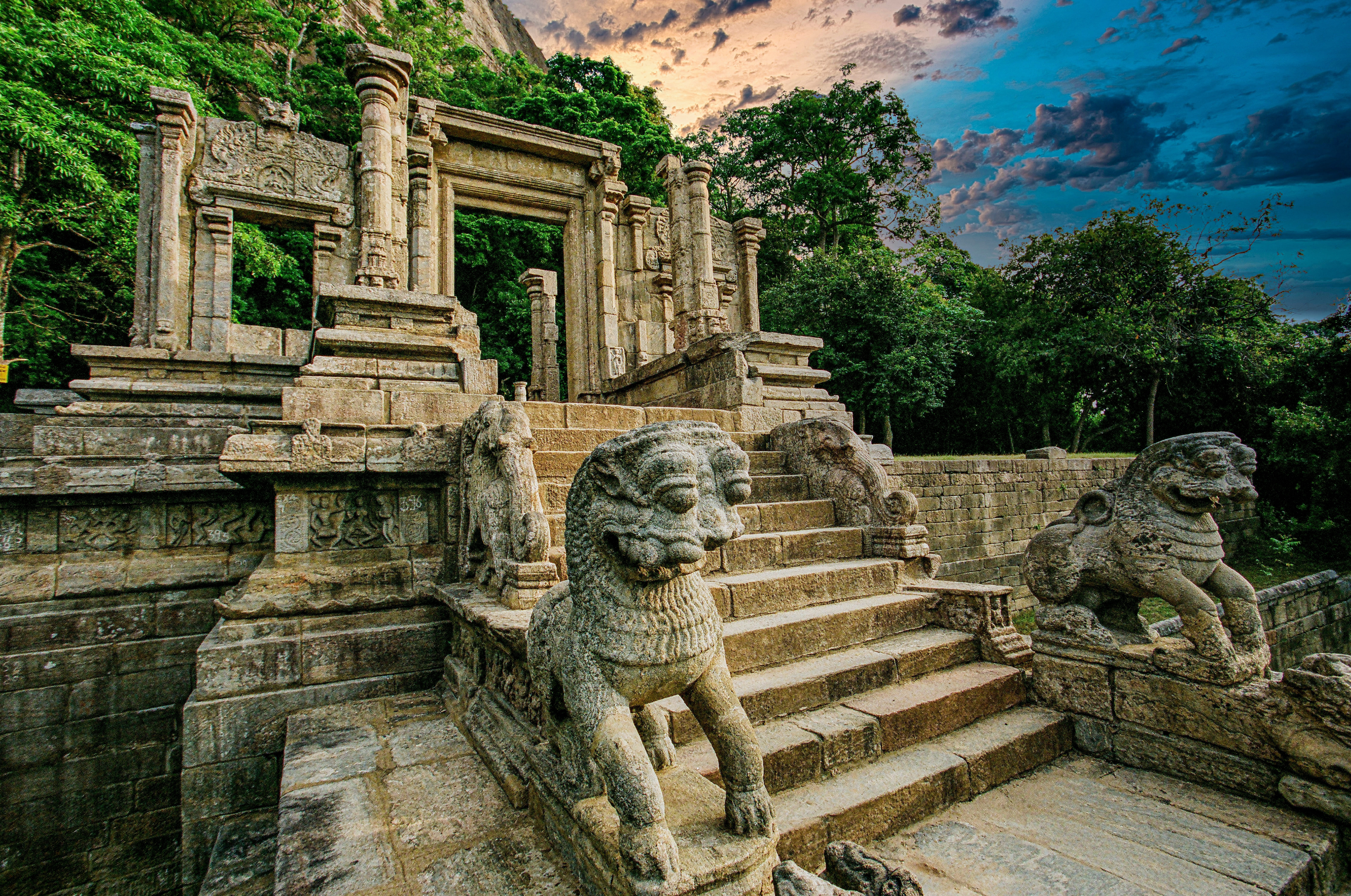
Yapahuwa is a towering granite rock rising sheer from the north-western plains, crowned with the ruins of a 13th-century royal palace that briefly served as the island's capital. The approach to the summit is through an ornate stone stairway flanked by carved stone lions and elaborate decorative panels, considered some of the finest examples of medieval Sinhalese stone craftsmanship in existence. For travellers who want to experience a world-class archaeological site without the crowds of the more famous Cultural Triangle destinations, Yapahuwa is a rewarding discovery.
15
Anuradhapura
About the Location
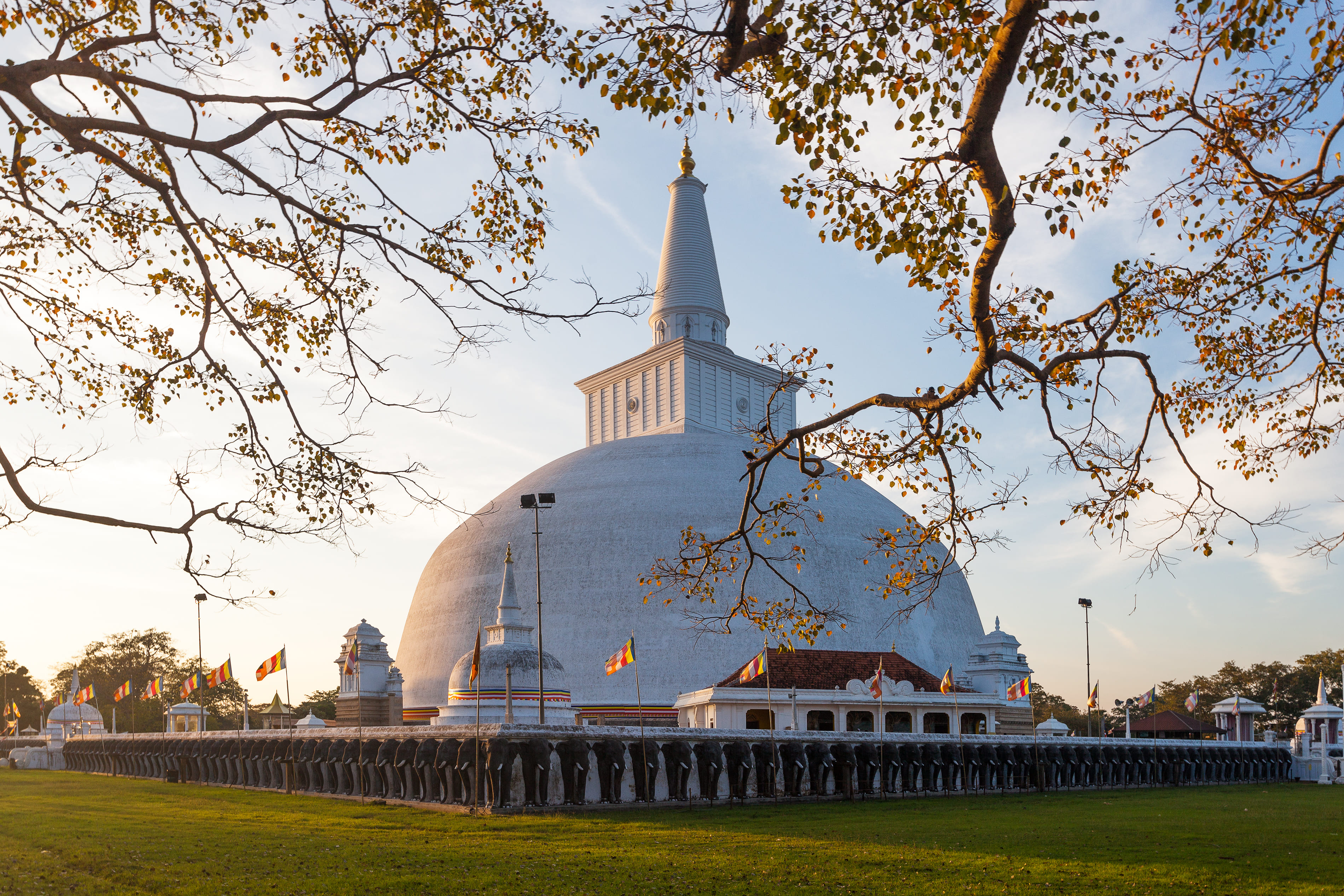
Anuradhapura is one of the oldest continuously inhabited cities and Sri Lanka's most sacred historical site, serving as the capital of the island's first great civilisation for over a millennium. The city is home to the Sri Maha Bodhi, a sacred fig tree grown from a cutting of the original Bodhi Tree under which the Buddha attained enlightenment, making it the oldest historically documented tree still alive today. The vast dagobas of Ruwanweliseya, Jetavanaramaya and Abhayagiri tower above the surrounding parkland, their white-washed domes visible for miles and their scale equalling the great monuments of Egypt.
16
Ella
About the Location
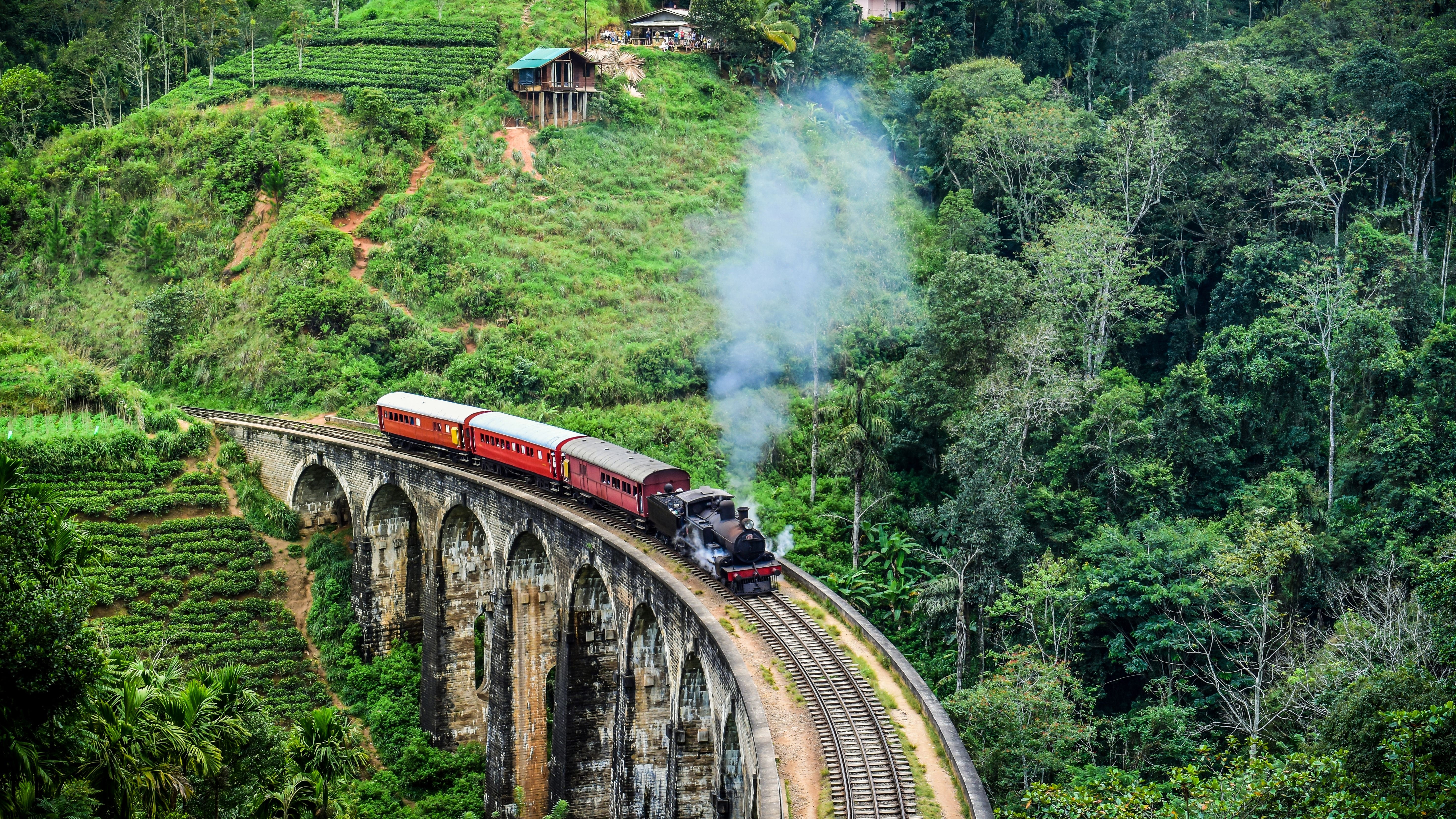
Ella is framed by green ridges and valleys and is famous for the Nine Arch Bridge, a colonial-era railway viaduct of elegance that arches through the jungle mist and Little Adam's Peak, an easy hike with panoramic views. The area offers trekking trails, zip-lining and abseiling experiences, refreshing waterfall walks to the Ravana Falls, and a lively cafe and restaurant scene that has made Ella a social hub for travellers. Arriving in Ella by the Nanu Oya to Ella train, winding through tea plantations and mountain tunnels, is one of the greatest rail journeys in the world.
17
Horton Plains
About the Location
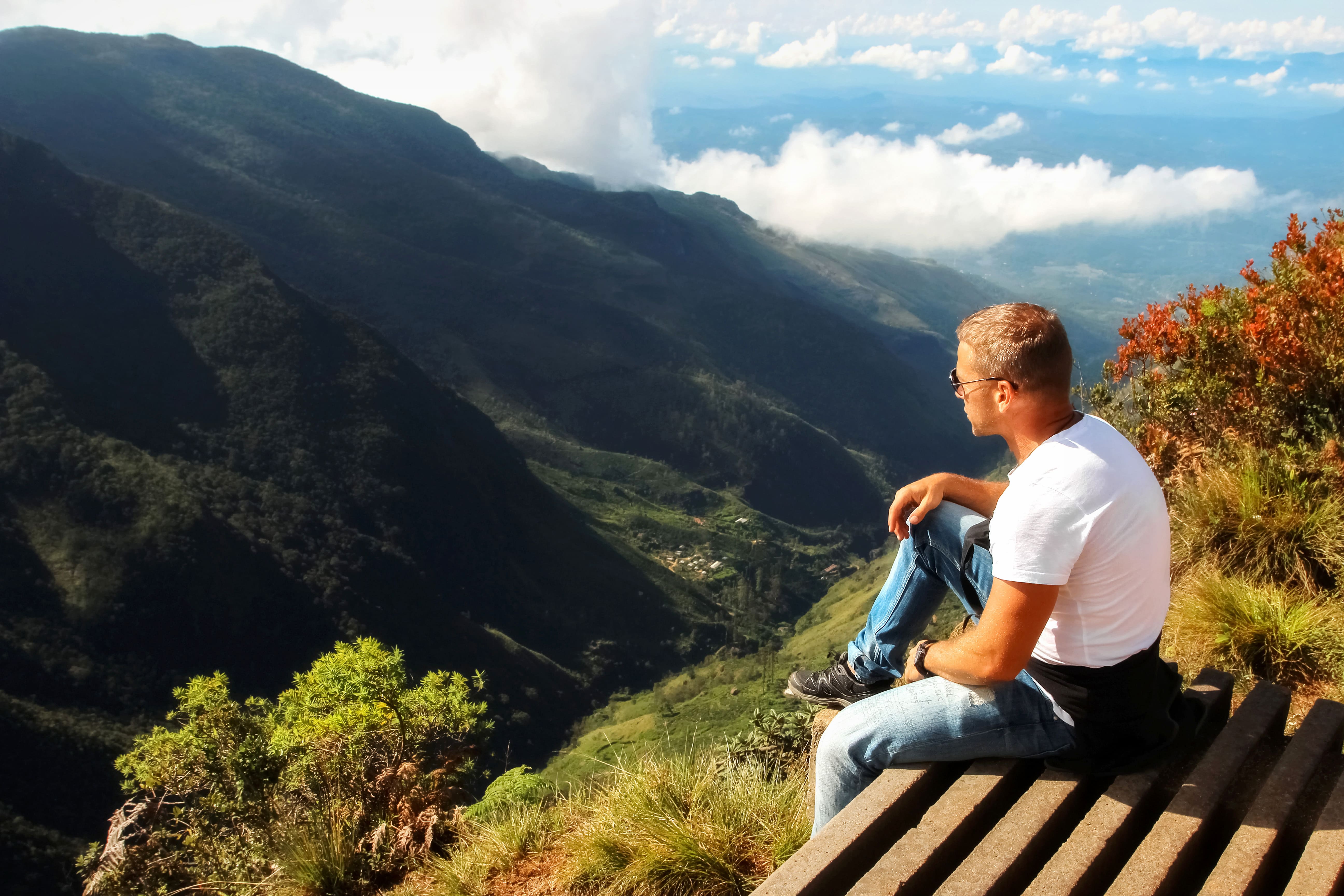
Horton Plains is a grassland plateau forming one of Sri Lanka's most biologically important national parks. The park's most famous feature is World's End, a sheer escarpment that drops nearly 1,000 metres to the southern lowlands, offering a vertiginous and spectacular view that is best experienced before the morning mist rolls in to obscure it. The plateau is also home to Baker's Falls, a beautiful multi-tiered waterfall framed by dense montane forest, and the circular walking trail through the park passes through an eerie, wind-swept landscape and stunted cloud forest.
18
Nuwara Eliya
About the Location
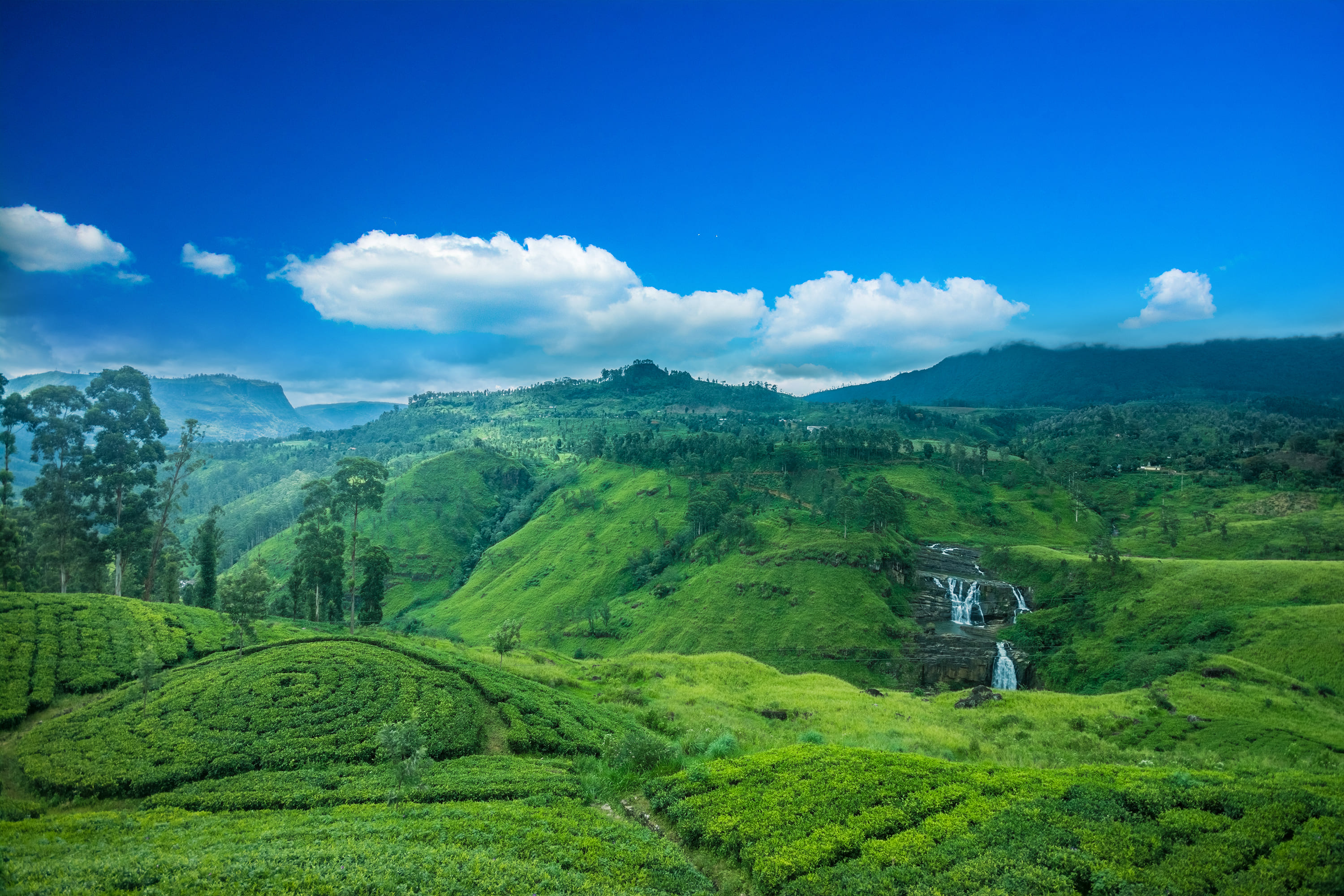
Nuwara Eliya, the heart of Sri Lanka's tea country, has been nicknamed "Little England" for its British character, a legacy of the colonial planters who made their home here among the rolling estates. The town is surrounded by the finest tea plantations in Sri Lanka, and a visit to a working tea factory to learn about the production of Ceylon tea, from leaf to cup, is an unmissable experience. The pretty Gregory Lake offers boat rides and horse-riding along its shores, while Victoria Park provides a serene garden escape in the centre of town.
19
Knuckles Mountain Range
About the Location
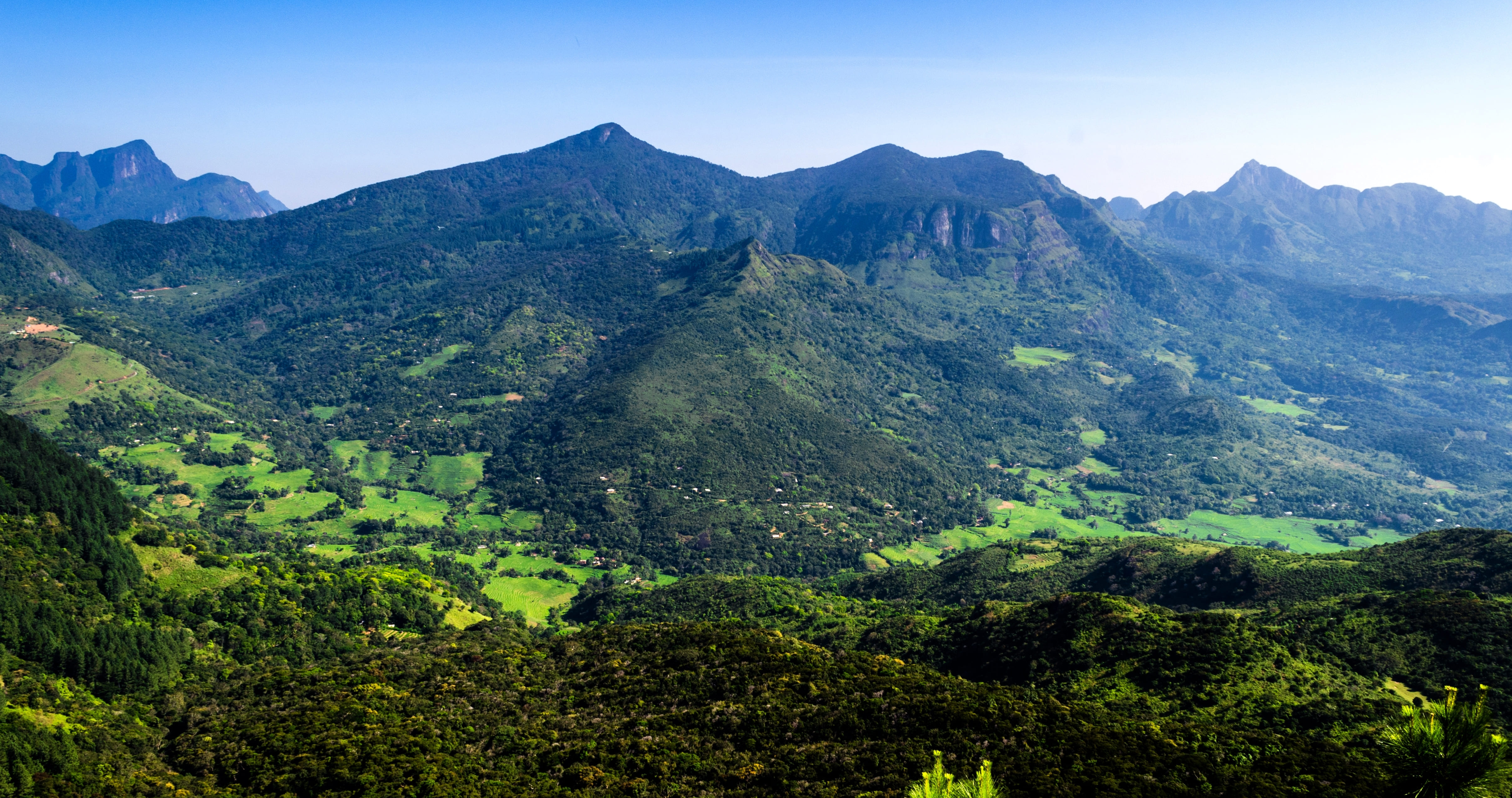
The Knuckles Mountain Range is a UNESCO World Heritage-listed wilderness area in central Sri Lanka, named for the knuckle-like silhouette of its jagged peaks as seen from the Kandy plains below. The range is one of Sri Lanka's most biodiverse regions, home to a concentration of endemic flora and fauna all within a landscape of shola forests, cloud forests, cascading streams and ridgelines. Trekking routes of varying difficulty wind through villages, waterfalls and misty passes, offering a raw and immersive highland experience that is worlds away from the manicured tea country landscapes nearby.
20
Adam’s Peak
About the Location
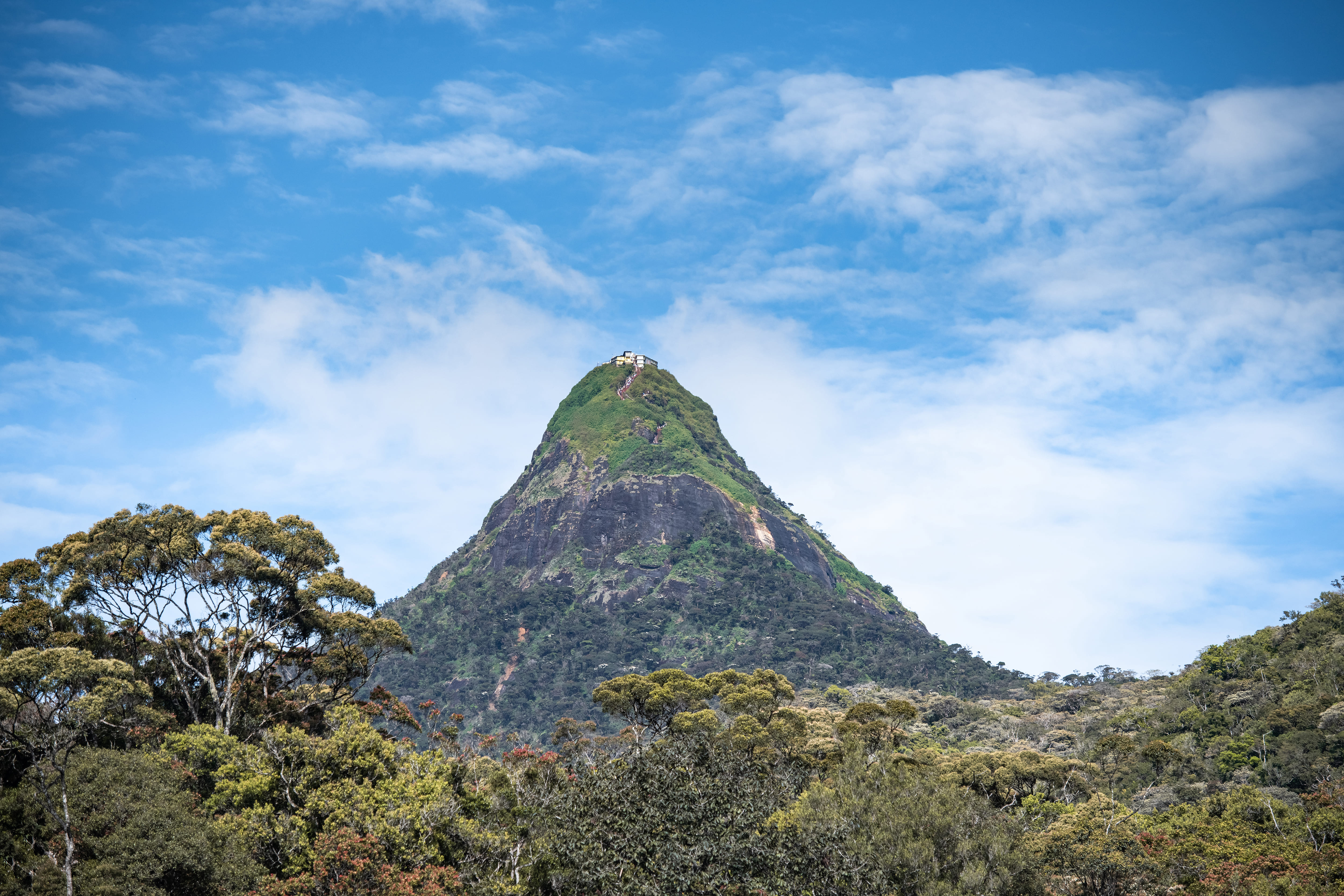
Adam's Peak is Sri Lanka's most revered mountain, believed by Buddhists, Hindus, Muslims and Christians alike to bear a sacred footprint at its summit. The traditional pilgrimage season runs from December to May, and thousands of devotees and adventurous travellers make the steep, lantern-lit night climb every year to witness the conical shadow that the peak casts across the mist at sunrise. The ascent takes roughly 5,500 steps flanked by shrines, tea stalls and fellow pilgrims, and the sense of spiritual energy and collective purpose makes the effort memorable.
21
Wilpattu National Park
About the Location
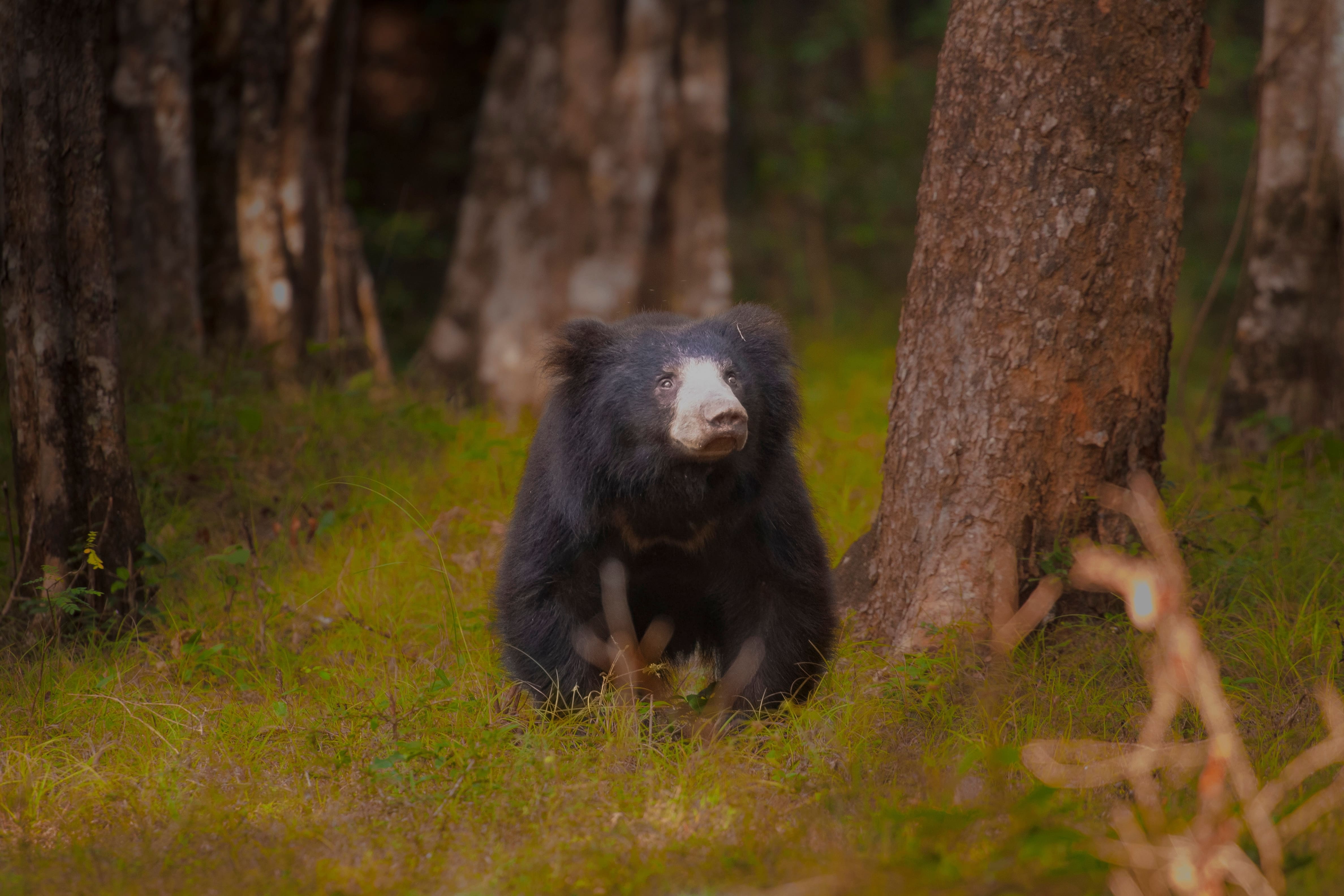
Wilpattu covers 1,317 square kilometres of dry evergreen forest in the northwest of the island and is largely untouched by the tourism that has developed in parks further south. The park is famous for its natural lakes, which attract wildlife, including the highest density of Sri Lankan leopards, as well as sloth bears, elephants, spotted deer and a wide variety of birdlife. Wilpattu has a primeval, undisturbed quality that sets it apart from other parks, and the absence of large crowds means that game drives feel exploratory.
22
Udawalawe National Park
About the Location
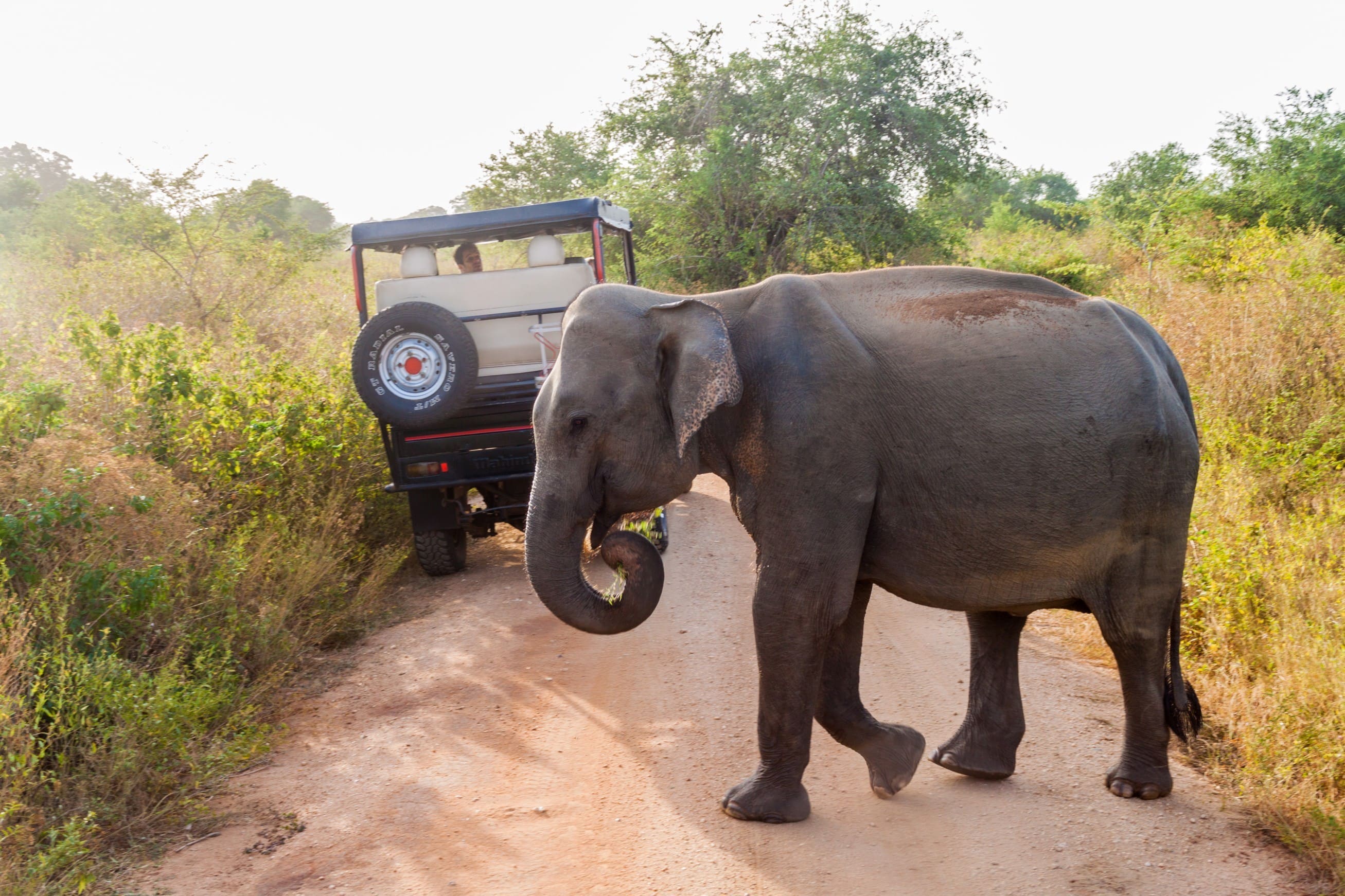
Udawalawe National Park is one of the best places in Asia to observe wild Asian elephants in their natural habitat, with a resident population of a hundred individuals that can be seen at close range. The park's landscape of scrub jungle, open grasslands and the wide Udawalawe Reservoir make wildlife spotting productive, and game drives consistently deliver sightings of elephant herds, water buffalo, crocodiles, Sri Lankan junglefowl and a wide variety of raptors and waterbirds. The Elephant Transit Home adjacent to the park cares for orphaned elephant calves that are released back into the wild, and visitors can observe feeding sessions at set times each day.
23
Minneriya National Park
About the Location
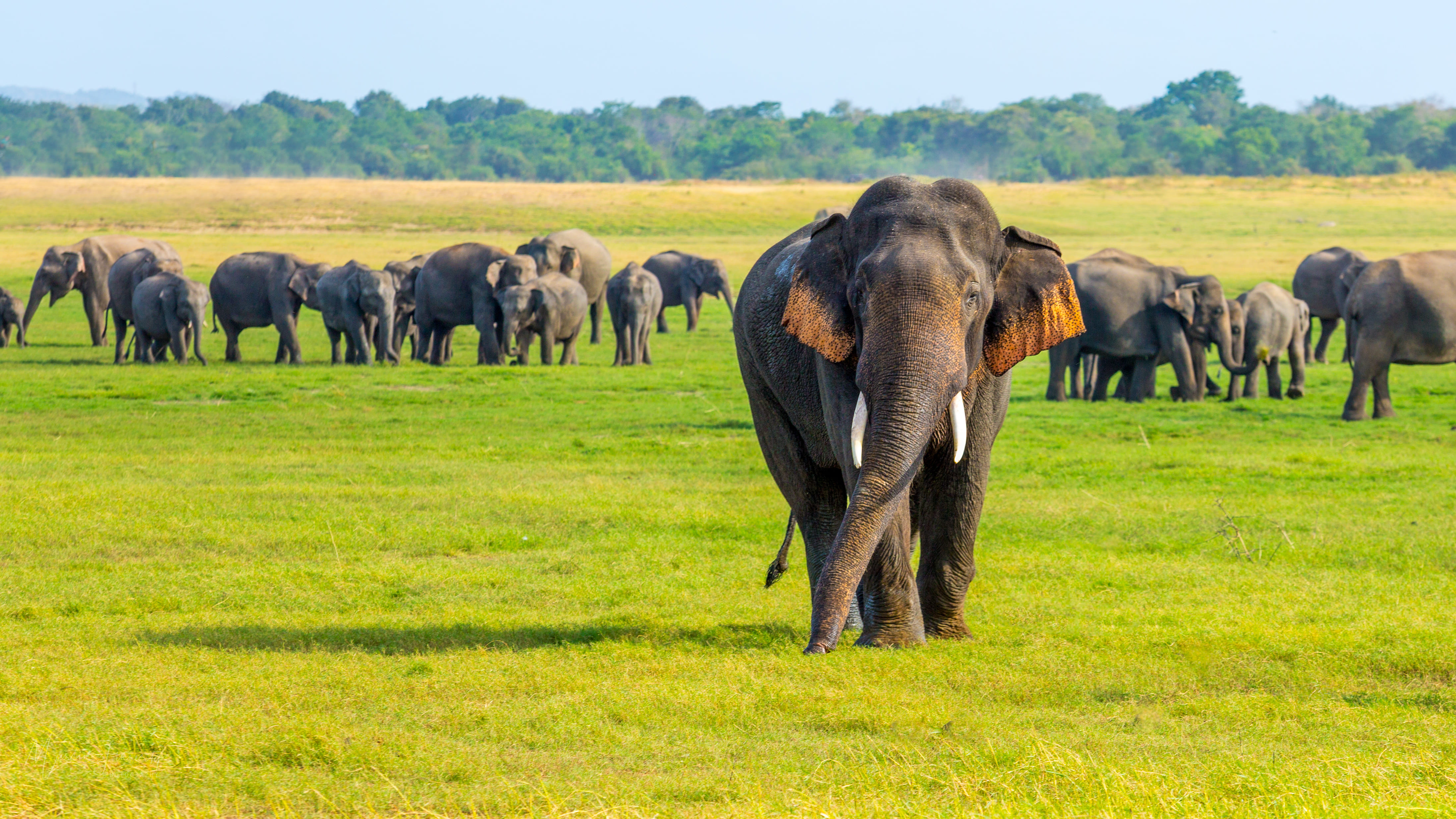
Minneriya National Park is the site of one of the greatest wildlife spectacles in Asia, the annual Gathering, during which hundreds of wild Asian elephants converge on the shores of the Minneriya Tank between July and October as the dry season draws down the water levels. During peak season, it is not unusual to see four or five hundred elephants gathered on the vast grassy plains around the reservoir, a sight of staggering scale and power. The park is also rich in birdlife, with painted storks, pelicans, cormorants and kingfishers crowding the water's edge alongside the elephants.
24
Yala National Park
About the Location
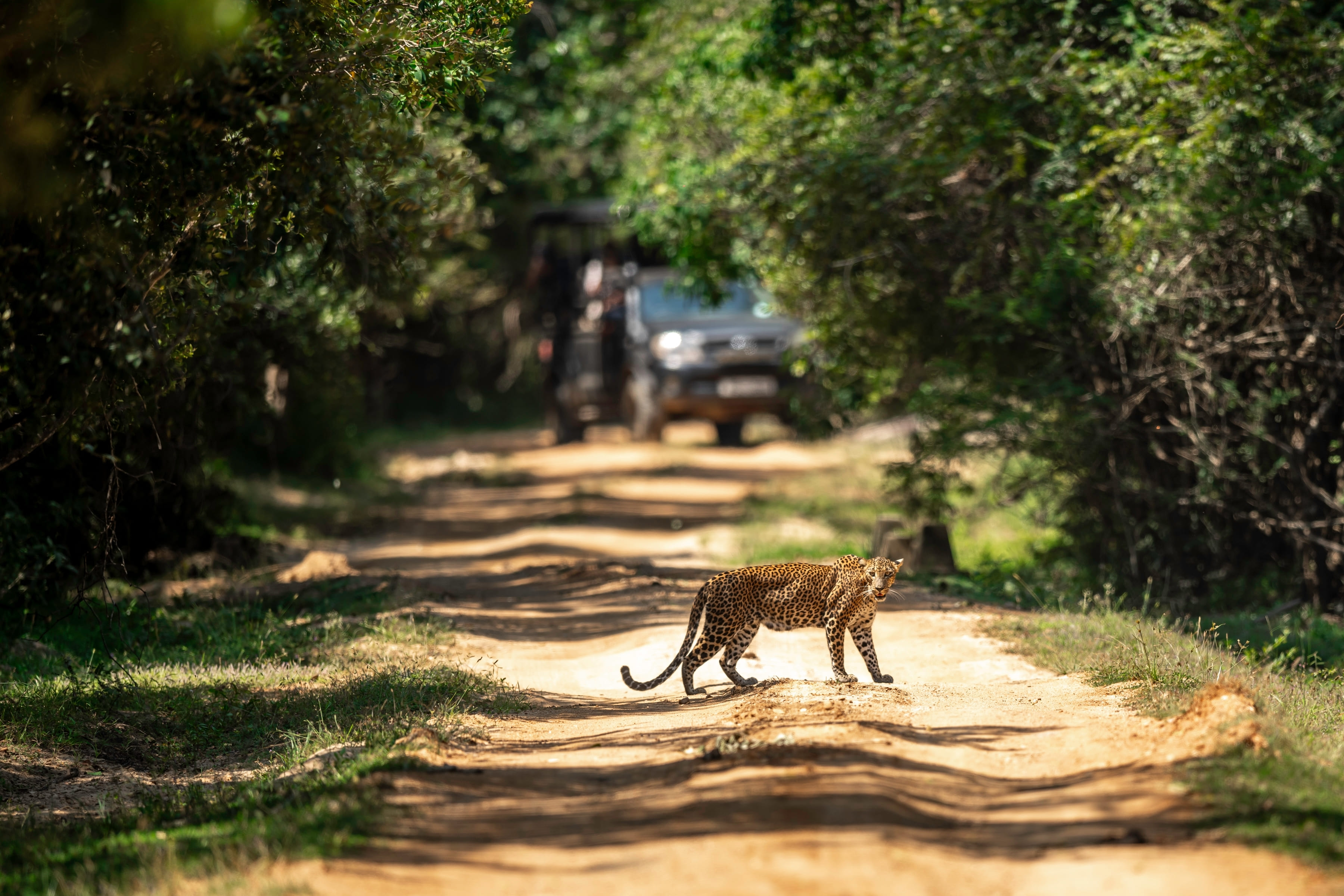
Yala is the island's most famous wildlife destination, covering over 97,000 hectares of varied terrain including open grassland, dense jungle, wetlands, coastal lagoons and rocky outcrops. The frequency of leopard encounters here exceeds any other destination, making it the single best place on earth to observe this big cat. In addition to leopards, Yala supports large populations of elephants, sloth bears, crocodiles, spotted deer and a stunning array of birdlife, including flamingos, painted storks and sea eagles. The park's landscape and wildlife diversity make a Yala safari the defining highlight of Sri Lankan journeys.

25
Sinharaja Rainforest
About the Location
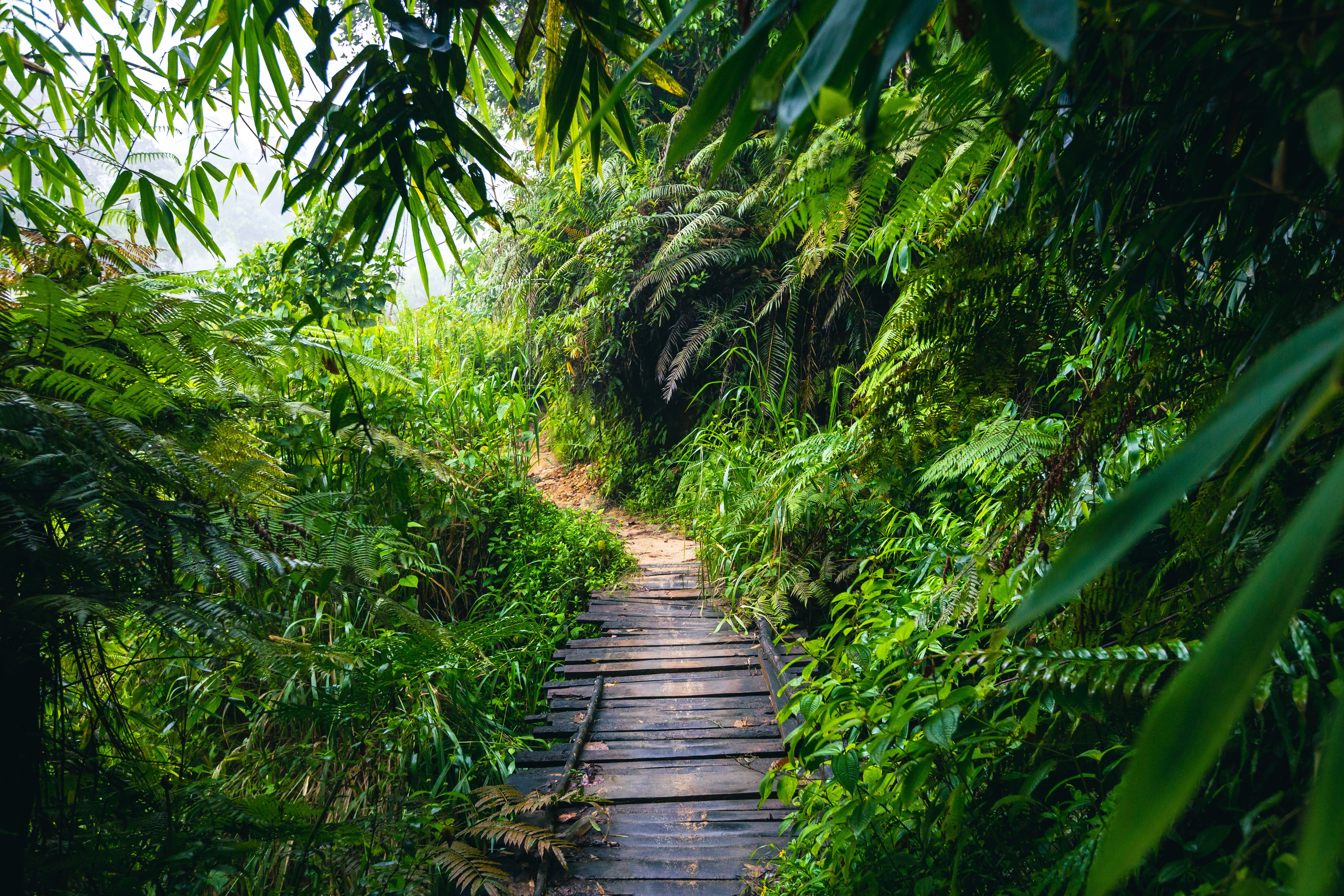
Sinharaja is Sri Lanka's primary tropical rainforest and a UNESCO World Heritage Site, sheltering endemic species found nowhere else on earth. The forest is home to over half of Sri Lanka's endemic bird species, which travel together in mixed-species feeding flocks - a birdwatching phenomenon known as a "bird wave" that is one of the most thrilling wildlife experiences on the island. Walking through Sinharaja with a knowledgeable naturalist guide reveals a world of rare purple-faced langurs, endemic lizards and geckos, giant squirrels and tree ferns beneath a dense, green cathedral canopy.
26
Temple of the Tooth, Kandy
About the Location
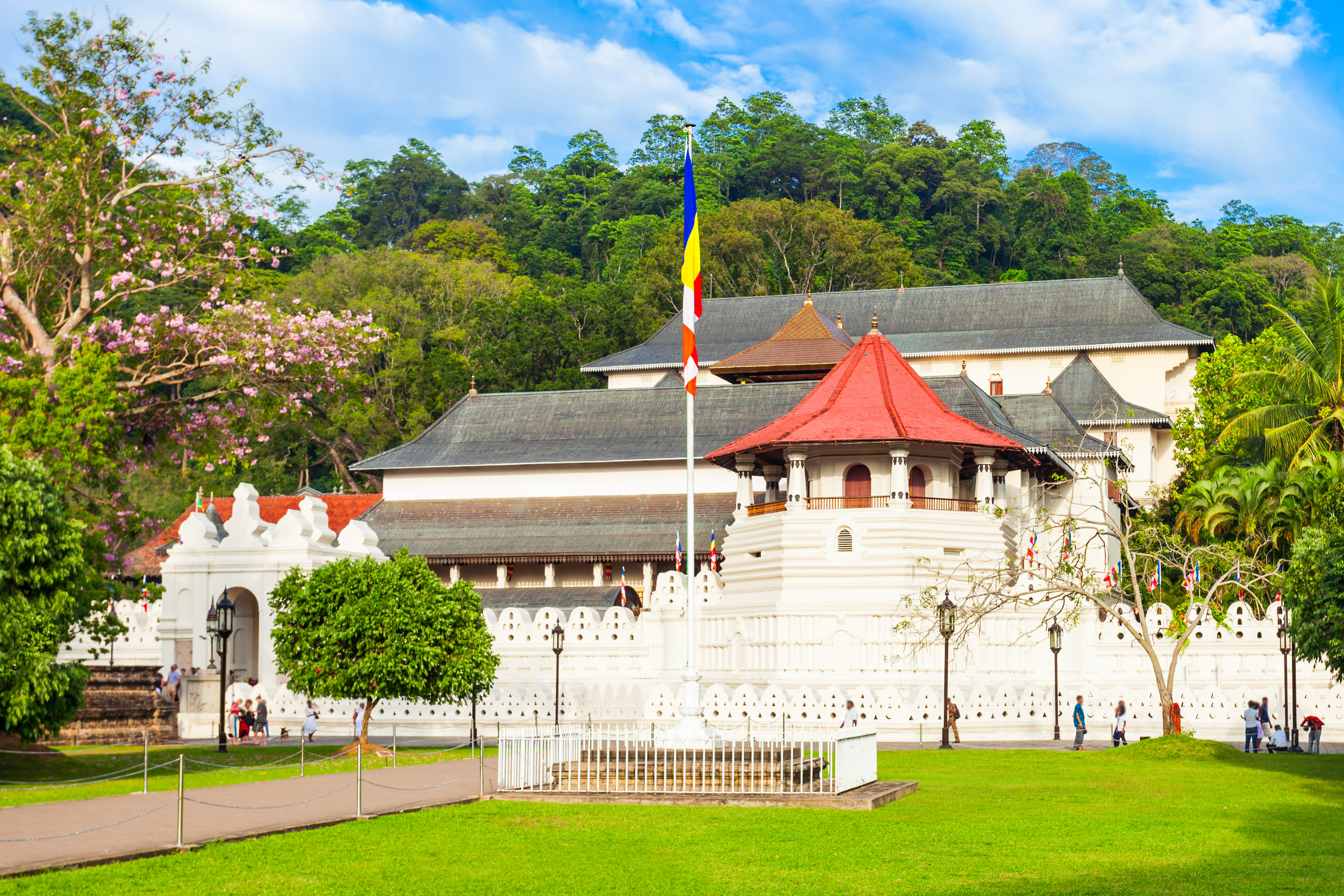
Kandy Buddhist temple, Esala Perahera festival, Kandy cultural sites, UNESCO sacred city Kandy The Temple of the Sacred Tooth Relic is one of the most sacred in the entire Buddhist world. The ornate golden-roofed temple complex sits on the shores of Kandy Lake in the heart of the hill capital, and three times daily the inner shrine is opened for puja ceremonies attended by hundreds of worshippers, filling the air with the sound of drums, flutes and the fragrance of incense and lotus flowers. The annual Esala Perahera festival, held in July and August, sees the sacred tooth paraded through the streets of Kandy on a decorated elephant in one of the grandest processions.
27
Koneswaram Temple, Trincomalee
About the Location
The Koneswaram Temple is a Hindu shrine perched on Swami Rock, a promontory that falls sheer into the sea above Trincomalee harbour. The site is celebrated for its natural setting, its richly decorated gopuram tower and the sacred Lover's Leap viewpoint at the cliff's edge, where a Dutch colonial official's daughter is said to have leapt to her death after learning of her lover's deception. Koneswaram remains an active centre of Hindu pilgrimage and is one of the most beautiful and spiritually charged sacred sites in Sri Lanka.
28
Red Mosque (Jami Ul-Alfar Mosque)
About the Location
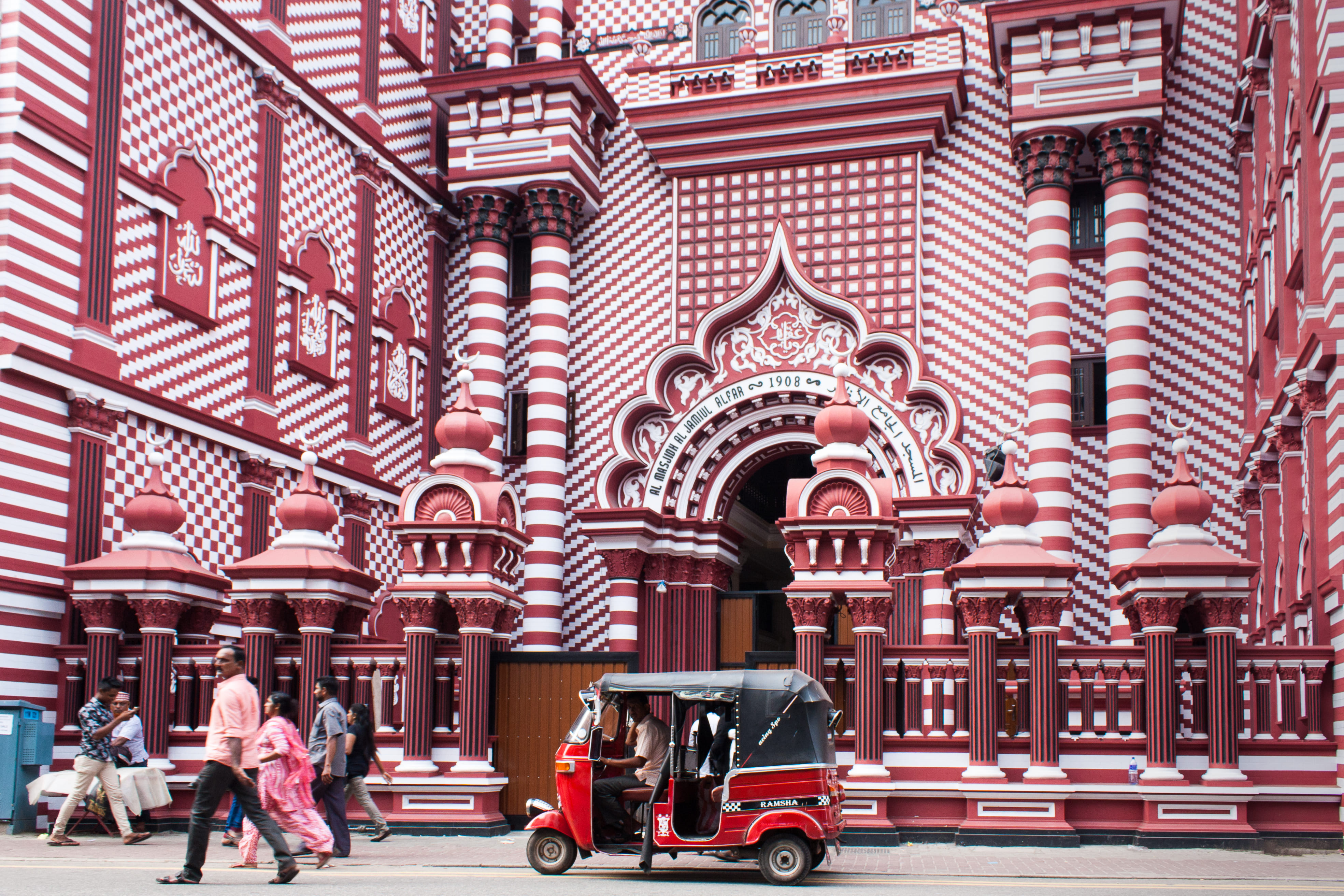
The Jami Ul-Alfar Mosque, universally known as the Red Mosque, is a confection of red and white striped candy-cane architecture that sits in the heart of the Pettah. Built in 1909 in a style that blends South Indian and European Baroque architectural elements, the mosque's exterior is a beloved symbol of the city's multicultural heritage. The surrounding streets of Pettah are some of the most vibrant in Colombo, alive with the commerce and colour of Sri Lanka's Muslim community, and the mosque sits at the very heart of this lively, aromatic urban world.
29
Gangaramaya Temple
About the Location
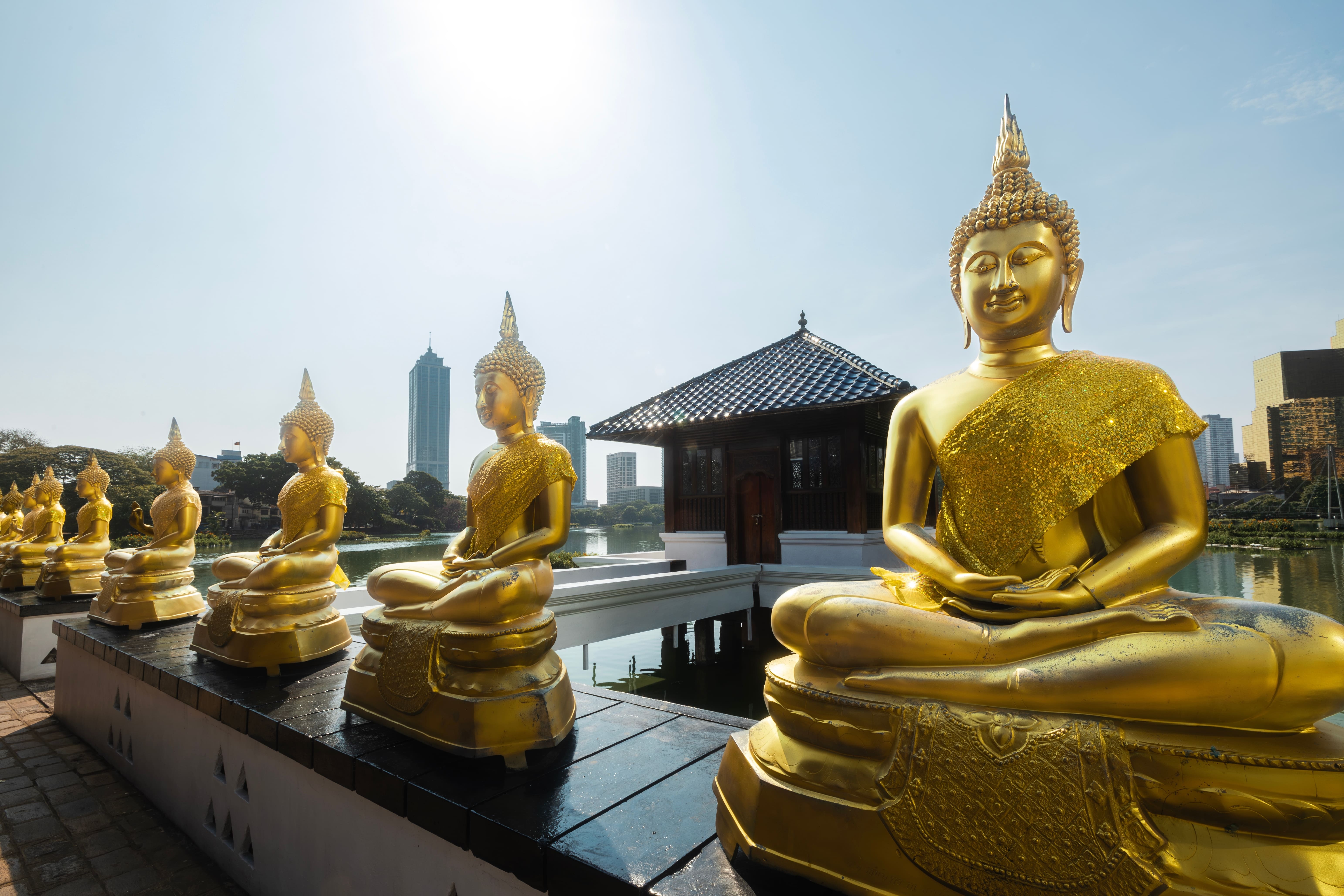
Gangaramaya Temple is one of Sri Lanka's most fascinating Buddhist temples, a sprawling complex of interconnected buildings set beside the Beira Lake that functions as a place of worship, a museum and a cultural institution. The temple hosts the Navam Perahera festival each February, when processions of decorated elephants, drummers and dancers circle the Beira Lake in one of Colombo's most spectacular annual events. For first-time visitors to Colombo, Gangaramaya offers a wonderfully idiosyncratic introduction to Sri Lankan Buddhist culture and the living complexity of contemporary urban worship.
30
Jaffna
About the Location
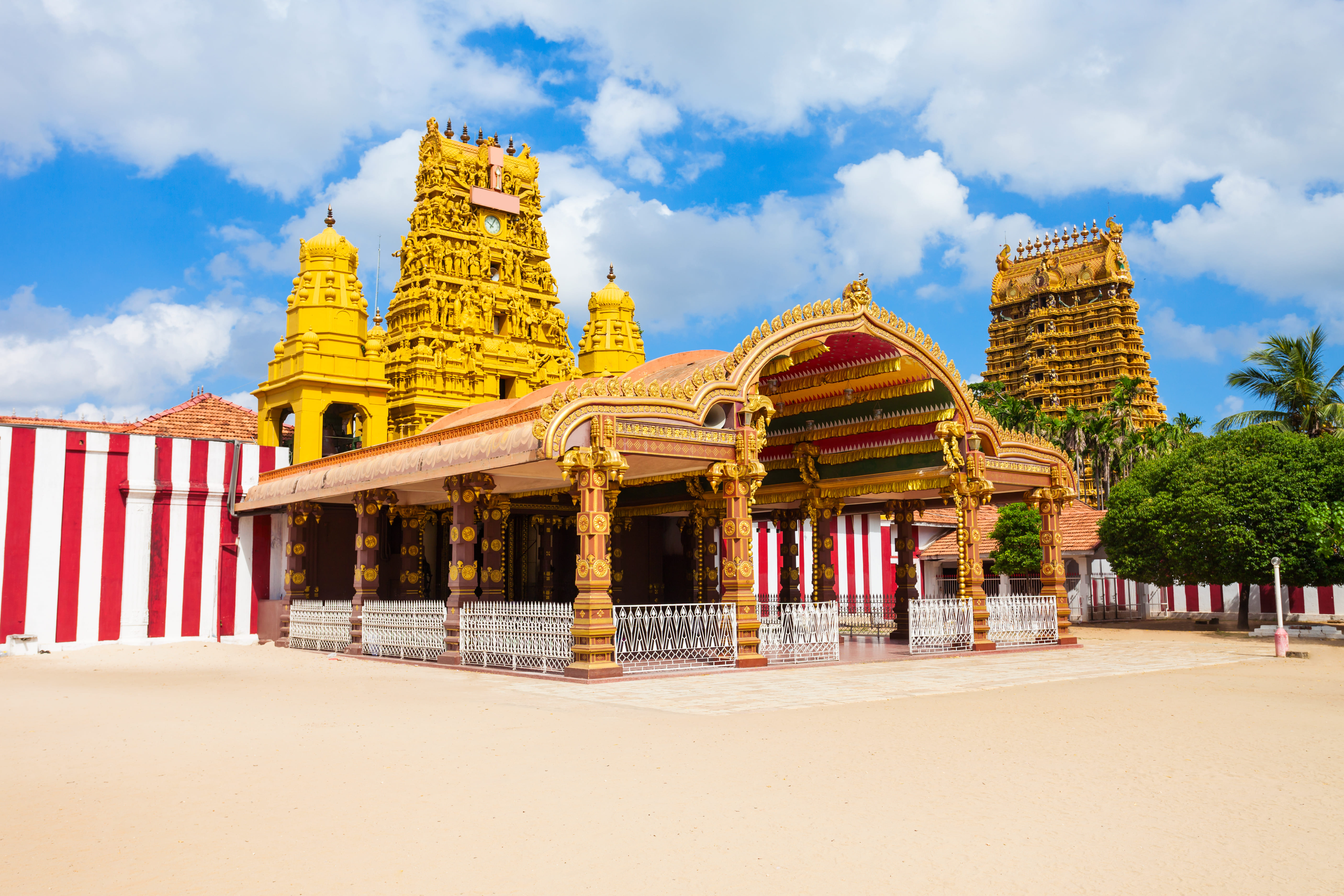
Jaffna is a city of beauty, resilience and spiritual depth, home to some of the most magnificent Hindu temples on the island alongside a fascinating Dutch colonial heritage, a distinct culinary tradition and a warm-hearted community. The Nallur Kandaswamy Temple is the spiritual heart of the city and the site of the spectacular Nallur festival each year, during which the streets fill with devoted pilgrims. The Dutch Fort, the Jaffna Public Library and the Casuarina Beach all form part of the city's layered identity, reflecting centuries of Dravidian, Dutch and British influences.